



Welcome and thank you for visiting this site.
From here you can navigate to Mind/Body healing approaches that might be beneficial for your mental health, physical, and spiritual well-being.
Wilkommen auf unserer Webseite und danke für Ihren Besuch..
Hier entdecken Sie Wege, Körper und Geist in Einklang zu bringen – für mehr seelisches, körperliches und inneres Wohlbefinden.
Email: connect@jungwellnessinstitute.com
We invite you to live from a place of beauty and joy in your life by transforming patterns and emotional states that temporarily stand in the way.
We gladly accompany your journey to create meaning, to assist you to stand in the midst of the real and honest foundation of your true self and to develop a lively and clear road map or life plan, may it be in your personal or professional life or in your own company.
Is inescapable in true living and necessary to reassess our inner world and its perceptions and our outer world and its supports to create sincere resiliency
Is the profound place where we pay attention to not just our own voices but also to the voices of the world to create conscious, compassionate belonging
Is a temporary hiding place to which we retreat to attune to profound pain, to the place where our heart has nowhere else to turn to -- until we pay attention to the healthy breath of our body, to the agility and to the wisdom of our body to retrieve and create patience, compassion and freshness
English, German, and Spanish
On this land—long held and cared for by Indigenous peoples, with generations of memory, including the Tonkawa Tribe, Lipan Apache Tribe, Comanche Nation, and Coahuiltecan peoples— we offer our gratitude, honor their enduring relationship to this land, and continue to listen, learn, and move with respect.



If you recognize at least three of the symptoms below you may want to know that there is help for you. Some of the symptoms can turn into habits and habits can be changed into constructive solutions. Sometimes you may be experiencing depression or anxiety. Don't hesitate to look at these symptoms more closely.
"Whatever lies behind us and whatever lies in front of us are but tiny matters in comparison to what lies within us."
Low self-esteem, insecurity, and feelings of hopelessness can cast a shadow over your relationships and career, creating a sense of confusion amidst life's transitions. In these moments of uncertainty, it's natural to feel lost and unsure of where to turn. However, surrendering your questions and turning inward can lead to a profound journey of self-awareness, allowing answers to naturally surface.
By fostering inner silence and embracing each symptom as a gentle knock on your door, you invite the opportunity to awaken from the ordinary and embark on a path of conscious change. Through gentle shifts and mindful exploration, you may discover a joyful transformation that opens the door to endless possibilities, perhaps even leading to a spiritual awakening.
Therapy doesn't have to be a daunting, drawn-out process. In just a few sessions, you can experience rejuvenation and gain newfound clarity, restoring a sense of comfort and well-being to your life.
When you're ready to embark on this journey of self-discovery and explore your current mental health, I invite you to schedule an appointment. Together, we can navigate the complexities of your inner world and pave the way for a brighter, more fulfilling future..
In Linden, J. H., De Benedittis. G., Sugarman, L., & Varga, K. (Eds.). The Routledge International Handbook of Clinical Hypnosis. Taylor and Francis Group.
In Kaiser Rekkas, A. (Ed). Hypnose und Hypnotherapie – Modul 1: Grundkurs: MANUAL FÜR PRAXIS, FORTBILDUNG UND LEHRE. 2nd edition. Carl-Auer Verlag: Heidelberg
Kapitel 6: Die Sprache der Hypnose. Kapitel 6.11, Seite 153 - 158
ISBN 978-3-8497-0390-5
American Journal of Clinical Hypnosis, DOI: 10.1080/00029157.2023.2301536
American Journal of Clinical Hypnosis, 65:1, 72-73, DOI: 10.1080/00029157.2022.2066429
All workshops and seminars focus on strengths-based approaches and incorporate post-modern principles with the basic premise that the person her/himself is the expert on her/his own life. Therapy is thus geared towards utilizing the resources, strengths and wisdom that the person brings to the therapist. Change comes from and through the person. The therapist's work is geared to elicit resources and responses that gently guide the person in the direction that they have chosen to move towards. Psychotherapy is a therapeutic enterprise that can be viewed as elicting resources to enter a spiritual process between the psyche and the mind.
"Each person is a unique individual. Hence, psychotherapy should be formulated to meet the uniqueness of the individual's needs, rather than tailoring the person to fit the Procrustean bed of a hypothetical theory of human behavior"
Anita Jung is a renowned psychotherapist and trainer, sharing her expertise internationally and nationally with esteemed organizations for professionals such as the Milton H. Erickson Societies, the International Society of Hypnosis, the Italian Society of Clinical Hypnosis, the American Society of Clinical Hypnosis, the Polish Society of Hypnosis, the Australian Society of Clinical Hypnosis, Centro Ericksoniano de México, the Biofeedback Organization, the University of Texas, the Texas Network of Youth Services, and numerous other private and non-profit entities. Additionally, she is the Past President of the American Society of Clinical Hypnosis, the President of the Central Texas Society of Hypnosis, a former Board Member and current newsletter editor of the International Society of Hypnosis.
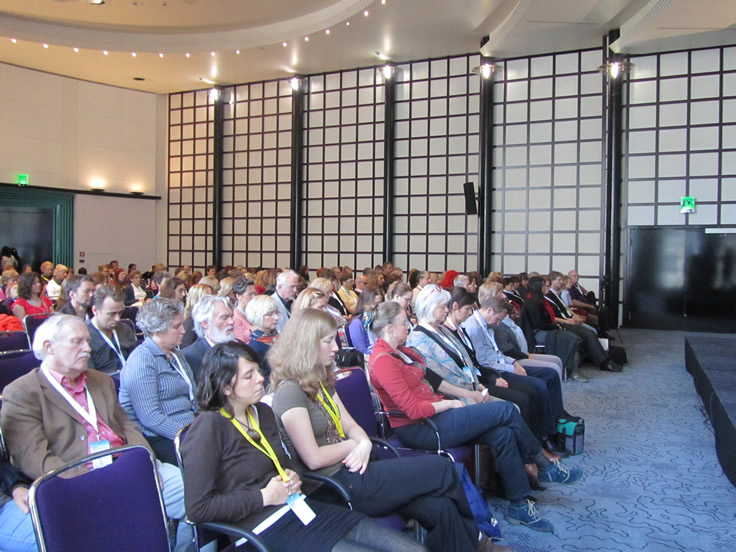
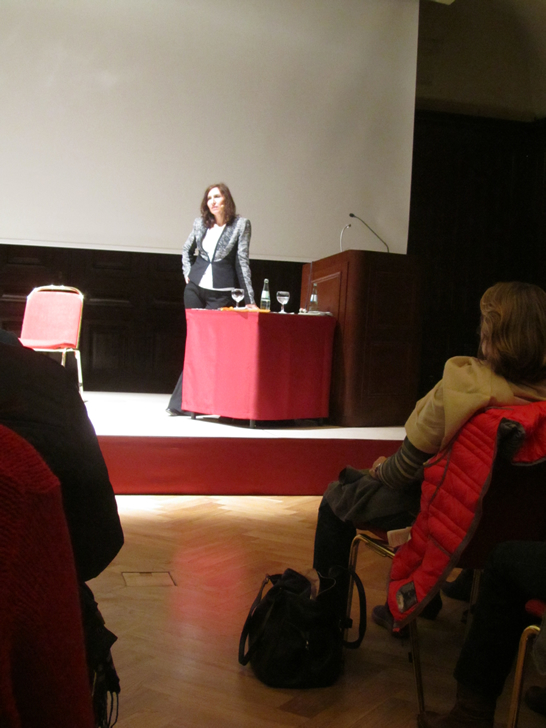
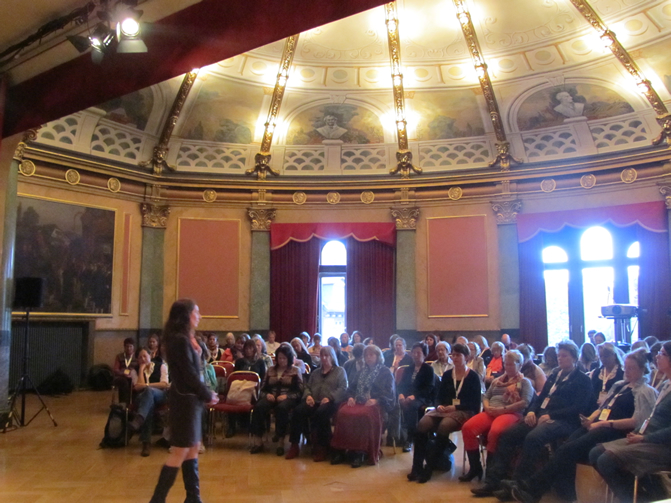
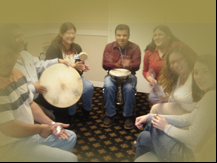
People have been entering trance-like states for thousands of years. Long before hypnosis was named, it appeared in ritual, in prayer, in music, and in moments where attention gathers and something begins to shift.
In the late 18th century, Franz Mesmer brought attention to these experiences, though his idea of “animal magnetism” did not hold. A more accurate understanding began with James Braid, who recognized that hypnosis does not come from outside, but emerges from within—shaped by attention, expectation, and relationship.
Hypnosis is not sleep, and it is not a loss of control. It is a state of focused attention and altered awareness, where a person becomes more absorbed in inner experience. It can feel like becoming immersed in a piece of music or a story—where attention narrows, and what once felt distant becomes vivid.
From a neuroscience perspective, hypnosis is not defined by a single brain-wave pattern. Instead, it reflects changes in how brain networks coordinate. Research has shown increased engagement in regions such as the anterior cingulate cortex, which is involved in attention and expectancy, along with shifts in connectivity between areas responsible for executive control and self-reflection.
In this state, patterns of self-monitoring can soften, allowing experience to become more fluid. Suggestions are not imposed, but received and shaped by the individual. The person remains aware and actively involved in the process.
In clinical settings, hypnosis supports change by working with attention, imagination, and meaning. Anxiety, pain, habits, and emotional patterns can be approached differently—not through force, but through a reorganization of experience. Within that shift, new possibilities often begin to emerge.
Family constellation (Familienaufstellung) was developed in Germany by Bert Hellinger who created a model that draws from traditions in family systems therapy, existential phenomenology, and the Zulu family traditions. When Hellinger studied the Zulu traditions he walked away with the essence of the following concepts that are deeply rooted in his work:
Bert Hellinger, who studied and treated families for more than 50 years, observed that many of us unconsciously take on destructive familial patterns of anxiety, depression, anger, guilt, aloneness, alcoholism and even illness as a way of "belonging" in our families. Bonded by a deep love, a child will often sacrifice his own best interests in a vain attempt to ease the suffering of a parent or other family member.
Hellinger coined the concept of “Orders of Love” in a systemic family sense, meaning that order in a family system must exist similar to the order experienced in nature. Order can be described as a natural pattern. One of the orders, for example, is that every member has a right to belong. If that order is respected harmony and love ensue. Negative consequences arise if the order is disrespected which may affect the family system for generations. Any trauma that is experienced in the family gets carried on to the next generations. Once a person accepts and understands and honors the order in the system, healing can take place.
During a constellation, the individual is invited by the facilitator to select representatives from the group to set up their family system/constellation. S/he then places these representatives in particular positions around the central working area. When complete, the individual converses with the facilitator and watches the process unfold. The aim for the representatives is to tune into the knowing field, much to what Einstein called the zero point field and Hellinger coined the knowing field. Facing and accepting everything the way it is, as it emerges, from the realm of observation and non-judgment, allows for insight into the true nature of reality and invites acceptance, and therefore, transformation.
Constellation work has to be experienced. One cannot learn or gain insights from reading it in books. Hellinger once said that “the spirit moves like wind.” He feels that whatever is written down loses its vitality, its basic connection to real life. Furthermore, it renders itself into fixed patterns and empty sentences and becomes oversimplified and generalized. He deeply feels that the world needs to be experienced as it is, as a lived, felt sense without any intention to change it. Developing a stance of acceptance and understanding is one of the core principles in his work.
While commonly practiced in group settings, Family Constellations can also be conducted one-on-one, providing a deeply personalized and focused approach to addressing specific issues within one's family system.
In individual sessions, the process typically involves:
Initial Assessment: The facilitator conducts an initial assessment session to understand the client's concerns, goals, and family dynamics.
Preparation: Before the session, the facilitator guides the client in exploring family history, identifying key family members or dynamics, and setting intentions.
Constellation Setup: Using objects or markers to represent family members and dynamics, the facilitator assists the client in setting up a visual representation of their family system.
Exploration and Dialogue: The facilitator guides the client through an exploration of family dynamics, uncovering underlying patterns, conflicts, and unresolved issues through dialogue and experiential techniques.
Resolution and Integration: Insights and resolutions emerge during the exploration process. The facilitator supports the client in integrating these insights, releasing energetic entanglements, and finding healing within the family system.
Integration and Follow-Up: After the session, the client may receive guidance on integrating insights into daily life. Follow-up sessions may be scheduled to support ongoing integration and personal growth.
Individual Family Constellations offer a personalized pathway to understanding, healing, and wholeness, addressing relationship issues, unresolved emotions, and facilitating personal growth. Explore further to learn how individual Family Constellations sessions can support your journey towards greater well-being.
Know that no matter what challenges you face within your life or family, healing is possible. With dedication, support, and the transformative power of Family Constellations, you can navigate through any difficulty and emerge stronger, wiser, and more whole. .
Post-modern approaches in therapy begin from a different place. There is no single story to uncover, no fixed truth to arrive at. Experience is shaped through language, through relationship, and through the meanings we come to live inside.
What appears as a problem is often a pattern—something that has taken form over time, repeated, reinforced, and eventually felt as given. Yet patterns, like rhythm, can shift. A slight change in timing, in emphasis, in the way something is heard or spoken, can open an entirely different experience.
In approaches such as Solution-Focused and Narrative Therapy, the focus turns toward what is already present—toward strengths, toward moments that may have gone unnoticed, toward possibilities that are quietly waiting. The work is not to correct, but to notice. Not to impose, but to invite.
At the center of this work is a simple orientation: the person is the expert of their own life. The therapist does not provide answers, but creates the conditions in which new ways of seeing and experiencing can emerge.
Language plays a central role. The way something is named begins to shape how it is lived. A question, placed with care, can create movement where there was none. A different framing can soften what once felt fixed.
The therapist listens for these shifts—for tone, for rhythm, for what is said and what remains just beneath it. In that listening, space opens. And within that space, new ways of experiencing begin to emerge.
In this sense, therapy becomes less about solving and more about unfolding. The person remains the author of their life, while discovering that the story itself can be told—and lived—differently.
Page content coming soon...
The human soul needs tender nourishment or it withers away. Asleep behind an impenetrable veil, the true essence of existence often hides behind boredom or related symptoms. While observing or participating in art or dance, playing or listening to music or experiencing some other form of artistic expression, the soul can surface momentarily but then retreats to hiding or silence once again. We often equate ourselves with our symptoms as indicated by the statements “I am depressed” or “I am miserable.” When individuals identify with depressive thoughts and feelings they strip themselves of their soul’s true meaning, of the value and joy of their existence. In an instant, self-worth and positive expectancy that change is possible slowly depletes. Yet, it is exactly that very ingredient of hope and positive expectancy that is highly needed in the process of creating lasting solutions. Therefore, it is calming and assuring to remember that our symptoms are not our identity, or our true self, but merely a sign that something deep inside of us is waking up. This awakening can aid a person in escaping from an existence that approximates a vacuum. A mundane life might not be a spiritually rewarding life for an artistic soul.
A marked characteristics of this awakening lies in the strong sensation that these symptoms bring into one’s life. The symptom forces an individual to take a look – a deep look – to awaken the senses. Welcoming rather than denying these sensations can be a primary step towards healing. During this welcoming state observing the symptoms and becoming aware of them is the primary task to enable the understanding of the true self. Just as there are many ways and techniques to play the song Amazing Grace there are also various techniques to relieve symptoms effectively.
One can devote time to meditate each day although the paramount essence lies in making your life a meditation beginning with simple steps that anyone can easily accomplish. Each day, starting in the morning, one can observe their senses during mundane, daily activities.
For instance, while playing feeling the guitar string on the fingertips as the finger presses down on the fret board, feeling the vibration of the instrument, hearing each tone clearly; while in the shower feeling the water trickle slowly down the body, noticing the temperature of the water; while eating paying full attention, chewing food slowly and isolating the taste of the food on the palate; noticing one’s feet on the ground, feeling one’s hands on the steering wheel, listen to all the surrounding sounds, and many more small acts of mindful awareness. Before going to sleep one can consciously bring to mind three things that have worked really well during the day or send gratitude to three people that one has encountered during the day.
The mindful cultivation of these small steps results in increased strengthening of the prefrontal cortex in your brain that adheres to higher order brain functions such as awareness, concentration, and decision making than the activation in the right frontal lobe that activates when a depressive thought is formed. As one begins to perceive the world in a new way novelty is created and novelty is necessary to grow more brain cells and to keep one’s mind healthy. An individual will start to become more mindful and live in the moment. Gentle, daily practice habituates the mind to create new neuronal pathways that make it easier to combat depressive thoughts in the future. Step by step the brain recognizes that there are a myriad of choices to react to stimuli and that the possibility exists to change the tuning at will.
One has to keep in mind that there are many pathways into depression, and at the same time, there are many pathways out of depression. What essentially works lies in the beauty of each individual. Therefore, taking one step at a time is important regardless what therapeutic intervention one chooses. Enlisting the help of a professional in the healing arts may be a first or a second step while keeping hope and positive expectation alive.
Anita Jung practices as a Licensed Professional Counselor in Austin, TX. She comes from a family of musicians, and has provided therapy services for musicians of the SIMS Foundation for twenty years. She is a Fellow of the American Psychotherapy Association. An Approved Consultant of the American Society of Clinical Hypnosis and teaches workshops to professionals around the globe. Her website is www.anitajung.com and her email is ajunglpc@yahoo.com. She welcomes questions and comments about this article.
©2015 Anita Jung
Anxiety, while often challenging, can also be viewed as a catalyst for growth and resilience. In the words of Rumi, "The wound is the place where the Light enters you."
Despite the complexities of anxiety, there is hope. With the right support, tools, and interventions, individuals can learn to navigate their anxiety, cultivate resilience, and reconnect with a sense of steadiness and clarity.
Everyone experiences anxious feelings, especially in stressful situations. When anxiety intensifies, it can include fear, apprehension, or dread in response to everyday events. It may also show up physically as heart palpitations, chest tightness, shortness of breath, dizziness, nausea, or shaking.
Anxiety is one of the most common mental health challenges. It affects individuals across all ages, with women experiencing it more frequently, and adolescents increasingly impacted as well.
Anxiety can arise from a combination of life experiences, biological factors, and environmental stress. It may be linked to trauma, chronic stress, health conditions, or inherited patterns within families.
At times, anxiety reflects deeper patterns—ways of responding that may once have been protective but no longer serve the present moment.
Treatment is tailored to the individual. Psychotherapy, education about the nervous system, and tools for emotional regulation can help restore balance.
Hypnosis can be a powerful adjunct, offering access to deeper patterns and supporting meaningful change. Practices such as movement, mindfulness, breathwork, and body-based approaches may further support overall well-being.
A brief exercise to help settle the nervous system and bring the body into a more regulated rhythm:
Even a few minutes can begin to shift your state.
You may deepen this experience by pairing breath with sound or imagery. On the homepage, calming music can be adjusted to your preference. You might also explore visual elements such as a horse moving through an open field or falling leaves—allowing rhythm and imagery to support a sense of calm.
These elements are not required. They are simply invitations—ways to enter a quieter, more settled state.
"Faith is the bird that feels the light when the dawn is still dark." — Rabindranath Tagore
Discover the Power of Hypnosis for Chronic Pain Relief
Living with chronic pain can be exhausting. It can shape daily choices, affect mood, interrupt sleep, and narrow the sense of what feels possible. When pain becomes a constant presence, many people begin looking for approaches that go beyond temporary relief.
Chronic pain is generally understood as pain that persists for more than six months. It is often complex and can affect the body, emotions, attention, and overall quality of life. Because of this, it often calls for a broader and more integrated approach to care.
Hypnosis offers a gentle and focused approach to pain regulation. Rather than relying solely on medication or invasive procedures, it works with the mind-body connection and supports the capacity to shift how pain is experienced.
For some individuals, hypnosis becomes a meaningful part of a larger treatment plan—one that supports comfort, regulation, and a renewed sense of agency.
Hypnosis involves guiding the mind into a more relaxed and receptive state. In that state, attention can be directed in ways that support relief, calm the nervous system, and influence how pain signals are processed and interpreted.
Through carefully structured language and focused awareness, hypnosis may help reduce tension, lessen distress, and open space for greater ease in the body.
Research has increasingly explored how hypnosis affects brain activity related to pain perception and regulation. By influencing key pathways involved in attention, sensation, and meaning, hypnosis may support a shift in the experience of chronic pain.
This makes it a valuable approach for those seeking a more holistic way to work with persistent discomfort.
Hypnosis does not ask you to deny what is real. It offers another way of relating to what the body is holding. Whether pain is linked to fibromyalgia, arthritis, back pain, or another chronic condition, hypnosis may help create more room for comfort, steadiness, and participation in life.
If you are looking for a thoughtful and supportive approach to chronic pain, hypnosis may offer a meaningful next step. It can help you develop new ways to regulate discomfort, access inner resources, and move toward greater well-being.
Relief may begin with a different kind of attention.
Dreaming in Silence: Navigating Sleep, Dreams, and Hypnosis
In the quiet spaces between wakefulness and dreams, lies the realm of sleep—a sanctuary for rejuvenation and renewal. Yet, many wanderers find themselves adrift in the depths of poor sleep quality and restless nights. Traditional solutions, though well-intentioned, sometimes fall short, leaving behind shadows of side effects and incomplete relief. Yet, amidst the twilight, whispers of hypnosis suggest a gentle path toward restoring the harmony of sleep. In this exploration, we traverse the challenges of sleep's elusiveness, wander through the landscapes of common sleep disturbances, and uncover the quiet promise of hypnosis as a guiding light toward better sleep.
In the silent spaces of the night, poor sleep quality casts its shadow, affecting our physical vigor, mental clarity, and emotional resilience. It robs us of vitality, leaving us weary and drained. Chronic sleep troubles weave a tangled web, impairing our memory and clouding our thoughts, urging us to confront the disruption that lurks within.
Within the labyrinth of sleep, various specters haunt our nights—insomnia's relentless pursuit, apnea's stifled breath, narcolepsy's sudden embrace, and restless legs' ceaseless unrest. These nocturnal phantoms, with their distinct forms and unsettling echoes, converge upon a shared ground of disrupting our sleep's delicate balance, leaving us restless and yearning for peace.
Amidst the whispers of nightfall, hypnosis emerges as a silent guide, offering a pathway toward relaxation and tranquility. Through its gentle touch, it soothes our restless minds and unveils the hidden depths of our psyche, offering respite to the weary traveler and leading us toward the sanctuary of sleep. Hope emerge as research studies illuminate the potential of hypnosis to improve sleep quality. Participants, adorned with newfound satisfaction and ease, embark on a journey toward improved sleep, guided by the gentle embrace of hypnosis' touch.
As we stand at the threshold of discovery, the quest for better sleep beckons us forward. Through further exploration and integration of ancient wisdom with modern science, we chart a course toward a brighter dawn—a world where hypnosis illuminates the path toward restful slumber and vibrant well-being.
In the stillness of the night, sleep disorders cast their shadow upon our restless minds. Yet, amidst the darkness, hypnosis emerges as a beacon of hope—a silent guide leading us toward the shores of tranquility. Through relaxation, stress reduction, and the exploration of our innermost selves, hypnosis offers a gentle pathway toward better sleep and renewed vitality. As we journey through the night, invite yourself to embrace the quiet promise of mindfulness and hypnosis, weaving dreams of peaceful slumber into the fabric of our lives.
The human soul needs tender nourishment or it withers away. Asleep behind an impenetrable veil, the true essence of existence often hides behind boredom or related symptoms. While observing or participating in art or dance, playing or listening to music or experiencing some other form of artistic expression, the soul can surface momentarily but then retreats to hiding or silence once again. We often equate ourselves with our symptoms as indicated by the statements “I am depressed” or “I am miserable.” When individuals identify with depressive thoughts and feelings they strip themselves of their soul’s true meaning, of the value and joy of their existence. In an instant, self-worth and positive expectancy that change is possible slowly depletes. Yet, it is exactly that very ingredient of hope and positive expectancy that is highly needed in the process of creating lasting solutions. Therefore, it is calming and assuring to remember that our symptoms are not our identity, or our true self, but merely a sign that something deep inside of us is waking up. This awakening can aid a person in escaping from an existence that approximates a vacuum. A mundane life might not be a spiritually rewarding life for an artistic soul.
A marked characteristics of this awakening lies in the strong sensation that these symptoms bring into one’s life. The symptom forces an individual to take a look – a deep look – to awaken the senses. Welcoming rather than denying these sensations can be a primary step towards healing. During this welcoming state observing the symptoms and becoming aware of them is the primary task to enable the understanding of the true self. Just as there are many ways and techniques to play the song Amazing Grace there are also various techniques to relieve symptoms effectively.
One can devote time to meditate each day although the paramount essence lies in making your life a meditation beginning with simple steps that anyone can easily accomplish. Each day, starting in the morning, one can observe their senses during mundane, daily activities.
For instance, while playing feeling the guitar string on the fingertips as the finger presses down on the fret board, feeling the vibration of the instrument, hearing each tone clearly; while in the shower feeling the water trickle slowly down the body, noticing the temperature of the water; while eating paying full attention, chewing food slowly and isolating the taste of the food on the palate; noticing one’s feet on the ground, feeling one’s hands on the steering wheel, listen to all the surrounding sounds, and many more small acts of mindful awareness. Before going to sleep one can consciously bring to mind three things that have worked really well during the day or send gratitude to three people that one has encountered during the day.
The mindful cultivation of these small steps results in increased strengthening of the prefrontal cortex in your brain that adheres to higher order brain functions such as awareness, concentration, and decision making than the activation in the right frontal lobe that activates when a depressive thought is formed. As one begins to perceive the world in a new way novelty is created and novelty is necessary to grow more brain cells and to keep one’s mind healthy. An individual will start to become more mindful and live in the moment. Gentle, daily practice habituates the mind to create new neuronal pathways that make it easier to combat depressive thoughts in the future. Step by step the brain recognizes that there are a myriad of choices to react to stimuli and that the possibility exists to change the tuning at will.
One has to keep in mind that there are many pathways into depression, and at the same time, there are many pathways out of depression. What essentially works lies in the beauty of each individual. Therefore, taking one step at a time is important regardless what therapeutic intervention one chooses. Enlisting the help of a professional in the healing arts may be a first or a second step while keeping hope and positive expectation alive.
Anita Jung practices as a Licensed Professional Counselor in Austin, TX. She comes from a family of musicians, and has provided therapy services for musicians of the SIMS Foundation for twenty years. She is a Fellow of the American Psychotherapy Association. An Approved Consultant of the American Society of Clinical Hypnosis and teaches workshops to professionals around the globe. Her website is www.anitajung.com and her email is ajunglpc@yahoo.com. She welcomes questions and comments about this article.
©2015 Anita Jung
Empowering Change: Integrative Approaches to Habit Control
Welcome to our comprehensive guide on habit control, where we explore the powerful combination of hypnosis, mindfulness, cognitive-behavioral techniques (CBT), and goal-setting strategies to help you reclaim control over your habits and lead a more fulfilling life. At [Your Therapy Practice Name], we believe in empowering individuals to break free from destructive habits and cultivate positive behavioral patterns through a holistic approach that addresses the min, body, and spirit.
Understanding Habit Control:
Habits are deeply ingrained behaviors that we often perform automatically, sometimes without even realizing it. While some habits are beneficial, others can be detrimental to our well-being, leading to stress, anxiety, and a sense of loss of control. Habit control involves identifying these patterns, understanding their triggers, and implementing strategies to modify or replace them with healthier alternatives.
The Integrative Approach:
Hypnotherapy is a powerful tool that accesses the subconscious mind, where many habits originate. By guiding individuals into a state of deep relaxation, hypnosis can help uncover underlying beliefs and motivations driving the habit, while also suggesting positive changes. Through personalized hypnotherapy sessions, individuals can reprogram their subconscious mind to support their desired behavioral changes.
Mindfulness: Mindfulness practices involve cultivating present-moment awareness without judgment. By bringing attention to our thoughts, feelings, and sensations, mindfulness helps individuals become more conscious of their habits and the triggers that precede them. Through mindfulness meditation and techniques, individuals can develop greater self-awareness and emotional regulation, enabling them to respond to triggers with intention rather than reacting impulsively.
Cognitive-Behavioral Techniques (CBT): CBT is a widely used therapeutic approach that focuses on identifying and challenging negative thought patterns and behaviors. By recognizing the connections between thoughts, emotions, and actions, individuals can learn to interrupt automatic habits and replace them with healthier responses. Through structured exercises and homework assignments, CBT empowers individuals to develop new coping strategies and problem-solving skills.
Goal-Setting: Setting specific, measurable, achievable, relevant, and time-bound (SMART) goals is essential for habit control. By clarifying what they want to achieve and breaking it down into manageable steps, individuals can track their progress and stay motivated. Regularly reviewing and adjusting goals ensures continued growth and adaptation as individuals work towards lasting behavioral change.
We understand that overcoming habits can feel overwhelming at times. However, we believe that with the right support and guidance, positive change is not only possible but achievable. Our integrative approach to habit control combines evidence-based techniques with compassionate support, empowering individuals to break free from destructive habits and embrace healthier, more fulfilling lives.
When you're ready to take control of your habits and create lasting change, we're here to support you every step of the way. Contact us to learn more about our personalized habit control programs and start your journey towards a happier, healthier you. Remember, change is within reach, and together, we can make it happen.
FINDING INNER FREEDOM
In a perfect combination of language and music, this hypnotic journey creates a gateway to relaxation and higher states of consciousness. Meditative and energizing with vibrant rhythms to harmonize the flow of energies throughout mind and body.
GRIEF AND LOSS VOLUME I
GUIDED MUSICAL TRANCE JOURNEY
Grief often catapults us into a state of crisis where life slows down and falls away into unimportance. Grief knows no schedule and no road map. Everyone deals with loss in a different way. This recording will aid you in finding a beginning, a middle, or an end depending on your own stages of healing.
A THERAPEUTIC JOURNEY INTO WHOLENESS
WFW soothes your soul, helps you sleep better, increases your motivation and energizes mind and body. When used for anxiety, panic attacks, or depression your mind becomes more clear and you can focus on states of well-being. Grief can turn into heightened acceptance. Perceived pain turns into hopeful expectation, and performance anxiety turns into glorious success.
Anita Jung's “Words from Within” is a most remarkable CD. Ms. Jung beautifully integrates music and trance rhythms with her own enchanting, hypnotic voice to offer a variety of different experiences of altered states of consciousness. The musicians are first-rate and the production values are superb, making this a most valuable CD. Stephen Gilligan, Ph.D. ; Author, “Therapeutic Trances”
FINDING INNER FREEDOM
The River Between depicts a musical journey, utilizing therapeutic trance stories, to discover awareness and mindfulness. Anita Jung's soothing guidance and Rajamani’s enchanting music are leading you into the realm of inner peace and physical well-being. Listeners notice an inner awakening of strengths and discover hidden talents.
Trance activates self-healing systems in your body to increase the natural flow of creativity and motivation. Through this journey you are awakening your sense of well-being and inner comfort.
The River Between is a CD that features therapeutic stories with music. The tradition of storytelling is timeless and known to most cultures as an experience vital to the health of individuals, the environment and the community. Listeners let go of defenses and relax into the known, safe environment of a story. A natural shift in consciousness takes place.
Stories warm our hearts, inspire our dreams, our passion for life and activate mind-body healing processes. Without stories, we wouldn’t have a past, a nation, a culture or a society. Without your own story your life could not be told. All stories follow a trail into society’s collective memories from generations past. As the threads of the stories begin to unravel. the more enchanting and joyous you begin to feel. The CD contains therapeutic suggestions that are interspersed in stories whose content is far removed from any of your current concerns.
For centuries, indigenous populations have induced trance states during healing ceremonies. Everyone knows how to enter trance and many do so without being aware of it, such as during ecstatic dancing, a computer game, a favorite movie, etc.
Trance heightens various states of consciousness to activate inner healing processes. This heightened state results in deep relaxation, lessened anxiety, enhanced performance, lessened or eliminated pain and changed perspectives in an unobtrusive and gentle way.
“This CD is a remarkable mix of exceptional trance process, extraordinary music, and great transformational stories. I highly recommend it!” Stephen Gilligan, Ph.D. Author, “Therapeutic Trances” - USA
“To summarize, the stories, especially after listening to the preparation tracks, are highly effective. Whoever can remain relaxed will find success with this CD.”
Klaus-Günther Beck-Ewerhardy (www.sandammeer.at, ab 28.12.2006) - Germany
Anita Jung is the founder of the Jung Wellness Institute and an internationally sought-after lecturer, trainer, and consultant. With a background in Counseling Psychology and a life shaped by travel and cultural crossings, she carries a deep sensitivity to what it means to leave one’s homeland and begin again. Her work draws from many worlds—the quiet of the therapy room, the resonance of spoken word, the pulse of group dialogue. Whether guiding individuals, teaching professionals, or crafting audio journeys, Anita brings a rare blend of insight, presence, and poetic precision to every space she enters.
With roots in Germany and a life now unfolding in the United States, Anita moves between worlds with a deep sensitivity to cultural transitions. She is a strong advocate for innovative, transformative care that weaves together traditional and non-traditional mind-body approaches. Her community work bridges the worlds of healing and the arts, drawing on creative collaboration to inspire meaningful change and support lasting well-being. This same spirit infuses her one-on-one work with clients and extends into her creation of musical and hypnotherapeutic recordings, several of which have been published and widely shared.
Anita specializes in mind-body integration, trauma treatment, Ericksonian hypnotherapy, family therapy, and brief therapy approaches. Her early training bridged multiple therapeutic worlds—beginning with Bioenergetic Analysis under Alexander Lowen, then moving into postmodern modalities with Insoo Kim Berg and Michael White. These explorations eventually led her to the work of Milton H. Erickson, which continues to inform her deeply individualized approach. Over the years, she has studied with Stephen Gilligan, Jeffrey Zeig, and Bill O’Hanlon, along with numerous European mentors who have shaped her clinical voice. Anita’s work with trauma is known for its gentleness and precision, often incorporating creative, body-centered, and hypnotic strategies. She is internationally recognized for her pioneering use of music in hypnotic work—not as background or as music therapy, but as an active co-therapist, woven into the rhythm, pacing, and intention of the therapeutic process.
Anita served for two decades as Division Director of Counseling and Psychiatric Services at LifeWorks in Austin, Texas, where she helped shape programs that blended clinical depth with creative expression. From youth and family counseling to supervised visitation and family violence intervention, her work brought together therapeutic structure and imaginative approaches—including drumming and aerial dance as part of the healing process. Under her leadership, the Shared Psychiatric Services program was nationally recognized by the American Psychiatric Association for its family-centered work with high-risk youth."
“Therapy, like life, unfolds in its own rhythm. The stories I hear don’t weigh me down—they move me. Each one carries the possibility of joy, waiting to turn the corner. Along the way, I’ve worked with those navigating anxiety, phobias, and the quiet fears that shape how we move through the world. My path as a psychotherapist has brought me into contact with three interconnected realms: the inner world of psychological and philosophical inquiry, the expressive world of music, poetry, and the arts, and the purposeful world of vocation, work, and leadership. As founder of the Jung Wellness Institute, I meet each person where they are—listening for their unique rhythm, drawing from their worldview and strengths, and supporting the unfolding of their growth.”

I am a Graduate Student under Supervision working in collaboration with counselors at the Jung Wellness Institut. I am enrolled in a a Masters of Science Program with the focus in Systemic Psychotherapy. I am fluent in English and Germany languages and can provide services in both language.
My main interest and focus includes working with children and youth. I have gained tremendous insight and knowledge over the years working in professional and practicum settings. As a Graduate student I am also required to engage in personl work which has provided me insight into the life and work of a client.
I work from the belief that the human body and mind work together and constantly strive to find an inner peace and balance through self-healing. I see my role as a counselor to help you create insight and self-awareness, to facilitate the healing process, and to support you on your journey to finding your strengths and talents and guide you to joyful living. I utilize not only traditional talk therapy in my work with clients but also systems based therapy techniques and hypnosis.
Adult and adolescence individual therapy addresses the following challenges through interpersonal therapy and body-mind techniques:
To contact Jana directly please email.connect@jungwellnessinstitute.com
or call #512-879-1942.
Knowing is not enough; we must apply. Wishing is not enough; we must do.” Johann Wolfgang von Goethe
Trained in Counseling Psychology and Life Coaching, I hold a Masters Degree and three Life Coaching Certificates and would like your journey in coaching to be specific and memorable. As a facilitator for change, I will be using cognitive education techniques designed to help you acquire different perspectives on your challenges, hurdles, or problems. Since life coaching is an accountability-based alliance that cores on the fulfillment of positively framed outcomes, its nature is educational and motivational. It is not counseling nor psychotherapy.
When working together, we will be using tools that will provide you with new perspectives through the process of forming, reaching and surpassing goals in both your personal and professional life. It is my intention to propel you into the future with renewed confidence and zest. My goal is to empower you to take over your life by looking at tangible options and using available choices.
I am looking forward to motivate and assist you on your journey into the future.
“May your choices reflect your hopes, not your fears.” Nelson Mandela.
To contact Carmen directly please email connect@jungwellnessinstitute.com
or call #512-879-1942.
People have been entering trance-like states for thousands of years. Long before hypnosis was named, it appeared in ritual, in prayer, in music, and in moments where attention gathers and something begins to shift.
In the late 18th century, Franz Mesmer brought attention to these experiences, though his idea of “animal magnetism” did not hold. A more accurate understanding began with James Braid, who recognized that hypnosis does not come from outside, but emerges from within—shaped by attention, expectation, and relationship.
Hypnosis is not sleep, and it is not a loss of control. It is a state of focused attention and altered awareness, where a person becomes more absorbed in inner experience. It can feel like becoming immersed in a piece of music or a story—where attention narrows, and what once felt distant becomes vivid.
From a neuroscience perspective, hypnosis is not defined by a single brain-wave pattern. Instead, it reflects changes in how brain networks coordinate. Research has shown increased engagement in regions such as the anterior cingulate cortex, which is involved in attention and expectancy, along with shifts in connectivity between areas responsible for executive control and self-reflection.
In this state, patterns of self-monitoring can soften, allowing experience to become more fluid. Suggestions are not imposed, but received and shaped by the individual. The person remains aware and actively involved in the process.
In clinical settings, hypnosis supports change by working with attention, imagination, and meaning. Anxiety, pain, habits, and emotional patterns can be approached differently—not through force, but through a reorganization of experience. Within that shift, new possibilities often begin to emerge.
Family constellation (Familienaufstellung) was developed in Germany by Bert Hellinger who created a model that draws from traditions in family systems therapy, existential phenomenology, and the Zulu family traditions. When Hellinger studied the Zulu traditions he walked away with the essence of the following concepts that are deeply rooted in his work:
Bert Hellinger, who studied and treated families for more than 50 years, observed that many of us unconsciously take on destructive familial patterns of anxiety, depression, anger, guilt, aloneness, alcoholism and even illness as a way of "belonging" in our families. Bonded by a deep love, a child will often sacrifice his own best interests in a vain attempt to ease the suffering of a parent or other family member.
Hellinger coined the concept of “Orders of Love” in a systemic family sense, meaning that order in a family system must exist similar to the order experienced in nature. Order can be described as a natural pattern. One of the orders, for example, is that every member has a right to belong. If that order is respected harmony and love ensue. Negative consequences arise if the order is disrespected which may affect the family system for generations. Any trauma that is experienced in the family gets carried on to the next generations. Once a person accepts and understands and honors the order in the system, healing can take place.
During a constellation, the individual is invited by the facilitator to select representatives from the group to set up their family system/constellation. S/he then places these representatives in particular positions around the central working area. When complete, the individual converses with the facilitator and watches the process unfold. The aim for the representatives is to tune into the knowing field, much to what Einstein called the zero point field and Hellinger coined the knowing field. Facing and accepting everything the way it is, as it emerges, from the realm of observation and non-judgment, allows for insight into the true nature of reality and invites acceptance, and therefore, transformation.
Constellation work has to be experienced. One cannot learn or gain insights from reading it in books. Hellinger once said that “the spirit moves like wind.” He feels that whatever is written down loses its vitality, its basic connection to real life. Furthermore, it renders itself into fixed patterns and empty sentences and becomes oversimplified and generalized. He deeply feels that the world needs to be experienced as it is, as a lived, felt sense without any intention to change it. Developing a stance of acceptance and understanding is one of the core principles in his work.
While commonly practiced in group settings, Family Constellations can also be conducted one-on-one, providing a deeply personalized and focused approach to addressing specific issues within one's family system.
In individual sessions, the process typically involves:
Initial Assessment: The facilitator conducts an initial assessment session to understand the client's concerns, goals, and family dynamics.
Preparation: Before the session, the facilitator guides the client in exploring family history, identifying key family members or dynamics, and setting intentions.
Constellation Setup: Using objects or markers to represent family members and dynamics, the facilitator assists the client in setting up a visual representation of their family system.
Exploration and Dialogue: The facilitator guides the client through an exploration of family dynamics, uncovering underlying patterns, conflicts, and unresolved issues through dialogue and experiential techniques.
Resolution and Integration: Insights and resolutions emerge during the exploration process. The facilitator supports the client in integrating these insights, releasing energetic entanglements, and finding healing within the family system.
Integration and Follow-Up: After the session, the client may receive guidance on integrating insights into daily life. Follow-up sessions may be scheduled to support ongoing integration and personal growth.
Individual Family Constellations offer a personalized pathway to understanding, healing, and wholeness, addressing relationship issues, unresolved emotions, and facilitating personal growth. Explore further to learn how individual Family Constellations sessions can support your journey towards greater well-being.
Know that no matter what challenges you face within your life or family, healing is possible. With dedication, support, and the transformative power of Family Constellations, you can navigate through any difficulty and emerge stronger, wiser, and more whole. .
Post-modern approaches in therapy begin from a different place. There is no single story to uncover, no fixed truth to arrive at. Experience is shaped through language, through relationship, and through the meanings we come to live inside.
What appears as a problem is often a pattern—something that has taken form over time, repeated, reinforced, and eventually felt as given. Yet patterns, like rhythm, can shift. A slight change in timing, in emphasis, in the way something is heard or spoken, can open an entirely different experience.
In approaches such as Solution-Focused and Narrative Therapy, the focus turns toward what is already present—toward strengths, toward moments that may have gone unnoticed, toward possibilities that are quietly waiting. The work is not to correct, but to notice. Not to impose, but to invite.
At the center of this work is a simple orientation: the person is the expert of their own life. The therapist does not provide answers, but creates the conditions in which new ways of seeing and experiencing can emerge.
Language plays a central role. The way something is named begins to shape how it is lived. A question, placed with care, can create movement where there was none. A different framing can soften what once felt fixed.
The therapist listens for these shifts—for tone, for rhythm, for what is said and what remains just beneath it. In that listening, space opens. And within that space, new ways of experiencing begin to emerge.
In this sense, therapy becomes less about solving and more about unfolding. The person remains the author of their life, while discovering that the story itself can be told—and lived—differently.
Page content coming soon...
The human soul needs tender nourishment or it withers away. Asleep behind an impenetrable veil, the true essence of existence often hides behind boredom or related symptoms. While observing or participating in art or dance, playing or listening to music or experiencing some other form of artistic expression, the soul can surface momentarily but then retreats to hiding or silence once again. We often equate ourselves with our symptoms as indicated by the statements “I am depressed” or “I am miserable.” When individuals identify with depressive thoughts and feelings they strip themselves of their soul’s true meaning, of the value and joy of their existence. In an instant, self-worth and positive expectancy that change is possible slowly depletes. Yet, it is exactly that very ingredient of hope and positive expectancy that is highly needed in the process of creating lasting solutions. Therefore, it is calming and assuring to remember that our symptoms are not our identity, or our true self, but merely a sign that something deep inside of us is waking up. This awakening can aid a person in escaping from an existence that approximates a vacuum. A mundane life might not be a spiritually rewarding life for an artistic soul.
A marked characteristics of this awakening lies in the strong sensation that these symptoms bring into one’s life. The symptom forces an individual to take a look – a deep look – to awaken the senses. Welcoming rather than denying these sensations can be a primary step towards healing. During this welcoming state observing the symptoms and becoming aware of them is the primary task to enable the understanding of the true self. Just as there are many ways and techniques to play the song Amazing Grace there are also various techniques to relieve symptoms effectively.
One can devote time to meditate each day although the paramount essence lies in making your life a meditation beginning with simple steps that anyone can easily accomplish. Each day, starting in the morning, one can observe their senses during mundane, daily activities.
For instance, while playing feeling the guitar string on the fingertips as the finger presses down on the fret board, feeling the vibration of the instrument, hearing each tone clearly; while in the shower feeling the water trickle slowly down the body, noticing the temperature of the water; while eating paying full attention, chewing food slowly and isolating the taste of the food on the palate; noticing one’s feet on the ground, feeling one’s hands on the steering wheel, listen to all the surrounding sounds, and many more small acts of mindful awareness. Before going to sleep one can consciously bring to mind three things that have worked really well during the day or send gratitude to three people that one has encountered during the day.
The mindful cultivation of these small steps results in increased strengthening of the prefrontal cortex in your brain that adheres to higher order brain functions such as awareness, concentration, and decision making than the activation in the right frontal lobe that activates when a depressive thought is formed. As one begins to perceive the world in a new way novelty is created and novelty is necessary to grow more brain cells and to keep one’s mind healthy. An individual will start to become more mindful and live in the moment. Gentle, daily practice habituates the mind to create new neuronal pathways that make it easier to combat depressive thoughts in the future. Step by step the brain recognizes that there are a myriad of choices to react to stimuli and that the possibility exists to change the tuning at will.
One has to keep in mind that there are many pathways into depression, and at the same time, there are many pathways out of depression. What essentially works lies in the beauty of each individual. Therefore, taking one step at a time is important regardless what therapeutic intervention one chooses. Enlisting the help of a professional in the healing arts may be a first or a second step while keeping hope and positive expectation alive.
Anita Jung practices as a Licensed Professional Counselor in Austin, TX. She comes from a family of musicians, and has provided therapy services for musicians of the SIMS Foundation for twenty years. She is a Fellow of the American Psychotherapy Association. An Approved Consultant of the American Society of Clinical Hypnosis and teaches workshops to professionals around the globe. Her website is www.anitajung.com and her email is ajunglpc@yahoo.com. She welcomes questions and comments about this article.
©2015 Anita Jung
Anxiety, while often challenging, can also be viewed as a catalyst for growth and resilience. In the words of Rumi, "The wound is the place where the Light enters you."
Despite the complexities of anxiety, there is hope. With the right support, tools, and interventions, individuals can learn to navigate their anxiety, cultivate resilience, and reconnect with a sense of steadiness and clarity.
Everyone experiences anxious feelings, especially in stressful situations. When anxiety intensifies, it can include fear, apprehension, or dread in response to everyday events. It may also show up physically as heart palpitations, chest tightness, shortness of breath, dizziness, nausea, or shaking.
Anxiety is one of the most common mental health challenges. It affects individuals across all ages, with women experiencing it more frequently, and adolescents increasingly impacted as well.
Anxiety can arise from a combination of life experiences, biological factors, and environmental stress. It may be linked to trauma, chronic stress, health conditions, or inherited patterns within families.
At times, anxiety reflects deeper patterns—ways of responding that may once have been protective but no longer serve the present moment.
Treatment is tailored to the individual. Psychotherapy, education about the nervous system, and tools for emotional regulation can help restore balance.
Hypnosis can be a powerful adjunct, offering access to deeper patterns and supporting meaningful change. Practices such as movement, mindfulness, breathwork, and body-based approaches may further support overall well-being.
A brief exercise to help settle the nervous system and bring the body into a more regulated rhythm:
Even a few minutes can begin to shift your state.
You may deepen this experience by pairing breath with sound or imagery. On the homepage, calming music can be adjusted to your preference. You might also explore visual elements such as a horse moving through an open field or falling leaves—allowing rhythm and imagery to support a sense of calm.
These elements are not required. They are simply invitations—ways to enter a quieter, more settled state.
"Faith is the bird that feels the light when the dawn is still dark." — Rabindranath Tagore
Discover the Power of Hypnosis for Chronic Pain Relief
Living with chronic pain can be exhausting. It can shape daily choices, affect mood, interrupt sleep, and narrow the sense of what feels possible. When pain becomes a constant presence, many people begin looking for approaches that go beyond temporary relief.
Chronic pain is generally understood as pain that persists for more than six months. It is often complex and can affect the body, emotions, attention, and overall quality of life. Because of this, it often calls for a broader and more integrated approach to care.
Hypnosis offers a gentle and focused approach to pain regulation. Rather than relying solely on medication or invasive procedures, it works with the mind-body connection and supports the capacity to shift how pain is experienced.
For some individuals, hypnosis becomes a meaningful part of a larger treatment plan—one that supports comfort, regulation, and a renewed sense of agency.
Hypnosis involves guiding the mind into a more relaxed and receptive state. In that state, attention can be directed in ways that support relief, calm the nervous system, and influence how pain signals are processed and interpreted.
Through carefully structured language and focused awareness, hypnosis may help reduce tension, lessen distress, and open space for greater ease in the body.
Research has increasingly explored how hypnosis affects brain activity related to pain perception and regulation. By influencing key pathways involved in attention, sensation, and meaning, hypnosis may support a shift in the experience of chronic pain.
This makes it a valuable approach for those seeking a more holistic way to work with persistent discomfort.
Hypnosis does not ask you to deny what is real. It offers another way of relating to what the body is holding. Whether pain is linked to fibromyalgia, arthritis, back pain, or another chronic condition, hypnosis may help create more room for comfort, steadiness, and participation in life.
If you are looking for a thoughtful and supportive approach to chronic pain, hypnosis may offer a meaningful next step. It can help you develop new ways to regulate discomfort, access inner resources, and move toward greater well-being.
Relief may begin with a different kind of attention.
Dreaming in Silence: Navigating Sleep, Dreams, and Hypnosis
In the quiet spaces between wakefulness and dreams, lies the realm of sleep—a sanctuary for rejuvenation and renewal. Yet, many wanderers find themselves adrift in the depths of poor sleep quality and restless nights. Traditional solutions, though well-intentioned, sometimes fall short, leaving behind shadows of side effects and incomplete relief. Yet, amidst the twilight, whispers of hypnosis suggest a gentle path toward restoring the harmony of sleep. In this exploration, we traverse the challenges of sleep's elusiveness, wander through the landscapes of common sleep disturbances, and uncover the quiet promise of hypnosis as a guiding light toward better sleep.
In the silent spaces of the night, poor sleep quality casts its shadow, affecting our physical vigor, mental clarity, and emotional resilience. It robs us of vitality, leaving us weary and drained. Chronic sleep troubles weave a tangled web, impairing our memory and clouding our thoughts, urging us to confront the disruption that lurks within.
Within the labyrinth of sleep, various specters haunt our nights—insomnia's relentless pursuit, apnea's stifled breath, narcolepsy's sudden embrace, and restless legs' ceaseless unrest. These nocturnal phantoms, with their distinct forms and unsettling echoes, converge upon a shared ground of disrupting our sleep's delicate balance, leaving us restless and yearning for peace.
Amidst the whispers of nightfall, hypnosis emerges as a silent guide, offering a pathway toward relaxation and tranquility. Through its gentle touch, it soothes our restless minds and unveils the hidden depths of our psyche, offering respite to the weary traveler and leading us toward the sanctuary of sleep. Hope emerge as research studies illuminate the potential of hypnosis to improve sleep quality. Participants, adorned with newfound satisfaction and ease, embark on a journey toward improved sleep, guided by the gentle embrace of hypnosis' touch.
As we stand at the threshold of discovery, the quest for better sleep beckons us forward. Through further exploration and integration of ancient wisdom with modern science, we chart a course toward a brighter dawn—a world where hypnosis illuminates the path toward restful slumber and vibrant well-being.
In the stillness of the night, sleep disorders cast their shadow upon our restless minds. Yet, amidst the darkness, hypnosis emerges as a beacon of hope—a silent guide leading us toward the shores of tranquility. Through relaxation, stress reduction, and the exploration of our innermost selves, hypnosis offers a gentle pathway toward better sleep and renewed vitality. As we journey through the night, invite yourself to embrace the quiet promise of mindfulness and hypnosis, weaving dreams of peaceful slumber into the fabric of our lives.
Living with chronic conditions often entails managing persistent symptoms, including pain, discomfort, and distress. While traditional medical treatments play a crucial role in managing chronic conditions, complementary approaches like hypnosis offer additional avenues for relief and improved quality of life.
Hypnosis provides a promising approach to pain regulation within the context of chronic conditions. By inducing a deeply relaxed state, hypnosis enables individuals to access their subconscious mind, where they can effectively modulate their perception of pain and promote pain relief.
One of the primary mechanisms by which hypnosis regulates pain is through altering the individual's perception of pain sensations. Through guided imagery, visualization, and suggestion, individuals can learn to focus their attention away from the sensation of pain and towards feelings of relaxation, comfort, or even numbness, thereby diminishing the intensity of pain experienced.
Moreover, hypnosis can influence the brain's perception and processing of pain signals, leading to changes in neural activity and pain perception. Research has shown that hypnosis can modulate brain regions associated with pain processing, resulting in reduced pain perception and increased pain tolerance.
Additionally, hypnosis can promote the release of endogenous opioids and other neurotransmitters involved in pain modulation. These natural pain-relieving substances help alleviate pain and induce feelings of well-being and relaxation.
By integrating hypnosis into a comprehensive treatment plan for chronic conditions, individuals can experience enhanced pain management, reduced reliance on medication, and improved overall functioning. Working with a qualified hypnotherapist, individuals can learn valuable techniques and strategies to regulate pain, enhance their quality of life, and reclaim control over their well-being.
If you're living with a chronic condition and experiencing persistent symptoms like pain, consider exploring hypnosis as a complementary approach to pain management. Embrace the power of hypnosis to transform your relationship with pain and embark on a journey towards greater comfort, resilience, and vitality.
Empowering Change: Integrative Approaches to Habit Control
Welcome to our comprehensive guide on habit control, where we explore the powerful combination of hypnosis, mindfulness, cognitive-behavioral techniques (CBT), and goal-setting strategies to help you reclaim control over your habits and lead a more fulfilling life. At [Your Therapy Practice Name], we believe in empowering individuals to break free from destructive habits and cultivate positive behavioral patterns through a holistic approach that addresses the min, body, and spirit.
Understanding Habit Control:
Habits are deeply ingrained behaviors that we often perform automatically, sometimes without even realizing it. While some habits are beneficial, others can be detrimental to our well-being, leading to stress, anxiety, and a sense of loss of control. Habit control involves identifying these patterns, understanding their triggers, and implementing strategies to modify or replace them with healthier alternatives.
The Integrative Approach:
Hypnotherapy is a powerful tool that accesses the subconscious mind, where many habits originate. By guiding individuals into a state of deep relaxation, hypnosis can help uncover underlying beliefs and motivations driving the habit, while also suggesting positive changes. Through personalized hypnotherapy sessions, individuals can reprogram their subconscious mind to support their desired behavioral changes.
Mindfulness: Mindfulness practices involve cultivating present-moment awareness without judgment. By bringing attention to our thoughts, feelings, and sensations, mindfulness helps individuals become more conscious of their habits and the triggers that precede them. Through mindfulness meditation and techniques, individuals can develop greater self-awareness and emotional regulation, enabling them to respond to triggers with intention rather than reacting impulsively.
Cognitive-Behavioral Techniques (CBT): CBT is a widely used therapeutic approach that focuses on identifying and challenging negative thought patterns and behaviors. By recognizing the connections between thoughts, emotions, and actions, individuals can learn to interrupt automatic habits and replace them with healthier responses. Through structured exercises and homework assignments, CBT empowers individuals to develop new coping strategies and problem-solving skills.
Goal-Setting: Setting specific, measurable, achievable, relevant, and time-bound (SMART) goals is essential for habit control. By clarifying what they want to achieve and breaking it down into manageable steps, individuals can track their progress and stay motivated. Regularly reviewing and adjusting goals ensures continued growth and adaptation as individuals work towards lasting behavioral change.
We understand that overcoming habits can feel overwhelming at times. However, we believe that with the right support and guidance, positive change is not only possible but achievable. Our integrative approach to habit control combines evidence-based techniques with compassionate support, empowering individuals to break free from destructive habits and embrace healthier, more fulfilling lives.
When you're ready to take control of your habits and create lasting change, we're here to support you every step of the way. Contact us to learn more about our personalized habit control programs and start your journey towards a happier, healthier you. Remember, change is within reach, and together, we can make it happen.
Anita Jung is the founder of the Jung Wellness Institute and an internationally sought-after lecturer, trainer, and consultant. With a background in Counseling Psychology and a life shaped by travel and cultural crossings, she carries a deep sensitivity to what it means to leave one’s homeland and begin again. Her work draws from many worlds—the quiet of the therapy room, the resonance of spoken word, the pulse of group dialogue. Whether guiding individuals, teaching professionals, or crafting audio journeys, Anita brings a rare blend of insight, presence, and poetic precision to every space she enters.
With roots in Germany and a life now unfolding in the United States, Anita moves between worlds with a deep sensitivity to cultural transitions. She is a strong advocate for innovative, transformative care that weaves together traditional and non-traditional mind-body approaches. Her community work bridges the worlds of healing and the arts, drawing on creative collaboration to inspire meaningful change and support lasting well-being. This same spirit infuses her one-on-one work with clients and extends into her creation of musical and hypnotherapeutic recordings, several of which have been published and widely shared.
Anita specializes in mind-body integration, trauma treatment, Ericksonian hypnotherapy, family therapy, and brief therapy approaches. Her early training bridged multiple therapeutic worlds—beginning with Bioenergetic Analysis under Alexander Lowen, then moving into postmodern modalities with Insoo Kim Berg and Michael White. These explorations eventually led her to the work of Milton H. Erickson, which continues to inform her deeply individualized approach. Over the years, she has studied with Stephen Gilligan, Jeffrey Zeig, and Bill O’Hanlon, along with numerous European mentors who have shaped her clinical voice. Anita’s work with trauma is known for its gentleness and precision, often incorporating creative, body-centered, and hypnotic strategies. She is internationally recognized for her pioneering use of music in hypnotic work—not as background or as music therapy, but as an active co-therapist, woven into the rhythm, pacing, and intention of the therapeutic process.
Anita served for two decades as Division Director of Counseling and Psychiatric Services at LifeWorks in Austin, Texas, where she helped shape programs that blended clinical depth with creative expression. From youth and family counseling to supervised visitation and family violence intervention, her work brought together therapeutic structure and imaginative approaches—including drumming and aerial dance as part of the healing process. Under her leadership, the Shared Psychiatric Services program was nationally recognized by the American Psychiatric Association for its family-centered work with high-risk youth."
“Therapy, like life, unfolds in its own rhythm. The stories I hear don’t weigh me down—they move me. Each one carries the possibility of joy, waiting to turn the corner. Along the way, I’ve worked with those navigating anxiety, phobias, and the quiet fears that shape how we move through the world. My path as a psychotherapist has brought me into contact with three interconnected realms: the inner world of psychological and philosophical inquiry, the expressive world of music, poetry, and the arts, and the purposeful world of vocation, work, and leadership. As founder of the Jung Wellness Institute, I meet each person where they are—listening for their unique rhythm, drawing from their worldview and strengths, and supporting the unfolding of their growth.”
I am a Graduate Student under Supervision working in collaboration with counselors at the Jung Wellness Institut. I am enrolled in a a Masters of Science Program with the focus in Systemic Psychotherapy. I am fluent in English and Germany languages and can provide services in both language.
My main interest and focus includes working with children and youth. I have gained tremendous insight and knowledge over the years working in professional and practicum settings. As a Graduate student I am also required to engage in personl work which has provided me insight into the life and work of a client.
I work from the belief that the human body and mind work together and constantly strive to find an inner peace and balance through self-healing. I see my role as a counselor to help you create insight and self-awareness, to facilitate the healing process, and to support you on your journey to finding your strengths and talents and guide you to joyful living. I utilize not only traditional talk therapy in my work with clients but also systems based therapy techniques and hypnosis.
Adult and adolescence individual therapy addresses the following challenges through interpersonal therapy and body-mind techniques:
To contact Jana directly please email.connect@jungwellnessinstitute.com
or call #512-879-1942.
Stephen Gilligan, Ph.D.
Milton H. Erickson Foundation
American Society of Clinical Hypnosis...
Ronald Alexander
Welcome to www.jungwellnessinstitute.com and www.anitajung.com and www.jungwellnessinsitute.org .This website is owned and operated by Anita Jung. By visiting our website and accessing the information, resources, services, products, and tools we provide, you understand and agree to accept and adhere to the following terms and conditions as stated in this policy (hereafter referred to as ‘User Agreement’), along with the terms and conditions as stated in our Privacy Policy (please refer to the Privacy Policy section below for more information).
We reserve the right to change this User Agreement from time to time without notice. You acknowledge and agree that it is your responsibility to review this User Agreement periodically to familiarize yourself with any modifications. Your continued use of this site after such modifications will constitute acknowledgment and agreement of the modified terms and conditions.
By visiting our website and accessing the information, resources, services, products, and tools we provide for you, either directly or indirectly (hereafter referred to as ‘Resources’), you agree to use these Resources only for the purposes intended as permitted by (a) the terms of this User Agreement, and (b) applicable laws, regulations and generally accepted online practices or guidelines.
We have the right at our sole discretion to remove any content that, we feel in our judgment does not comply with this User Agreement, along with any content that we feel is otherwise offensive, harmful, objectionable, inaccurate, or violates any 3rd party copyrights or trademarks. We are not responsible for any delay or failure in removing such content. If you post content that we choose to remove, you hereby consent to such removal, and consent to waive any claim against us.
h. We do not assume any liability for any content posted by you or any other 3rd party users of our website. However, any content posted by you using any open communication tools on our website, provided that it doesn’t violate or infringe on any 3rd party copyrights or trademarks, becomes the property of www.jungwellnessinstitute.com, www.anitajung.com and www.jungwellnessinsitute.org and as such, gives us a perpetual, irrevocable, worldwide, royalty-free, exclusive license to reproduce, modify, adapt, translate, publish, publicly display and/or distribute as we see fit. This only refers and applies to content posted via open communication tools as described, and does not refer to information that is provided as part of the registration process, necessary in order to use our Resources. All information provided as part of our registration process is covered by our privacy policy.
i. You agree to indemnify and hold harmless www.jungwellnessinstitute.com, www.anitajung.com and www.jungwellnessinsitute.org and its parent company and affiliates, and their directors, officers, managers, employees, donors, agents, and licensors, from and against all losses, expenses, damages and costs, including reasonable attorneys’ fees, resulting from any violation of this User Agreement or the failure to fulfill any obligations relating to your account incurred by you or any other person using your account. We reserve the right to take over the exclusive defense of any claim for which we are entitled to indemnification under this User Agreement. In such event, you shall provide us with such cooperation as is reasonably requested by us.
Your privacy is very important to us, which is why we’ve created a separate Privacy Policy in order to explain in detail how we collect, manage, process, secure, and store your private information. Our privacy policy is included under the scope of this User Agreement. To read our privacy policy in its entirety, click here.
In conjunction with the Limitation of Warranties as explained above, you expressly understand and agree that any claim against us shall be limited to the amount you paid, if any, for use of products and/or services. Www.lightfindinghope.com will not be liable for any direct, indirect, incidental, consequential or exemplary loss or damages which may be incurred by you as a result of using our Resources, or as a result of any changes, data loss or corruption, cancellation, loss of access, or downtime to the full extent that applicable limitation of liability laws apply.
All content and materials available on www.jungwellnessinstitute.com, www.anitajung.com and www.jungwellnessinsitute.org including but not limited to text, graphics, website name, code, images and logos are the intellectual property of www.jungwellnessinstitute.com, www.anitajung.com and www.jungwellnessinsitute.org and are protected by applicable copyright and trademark law. Any inappropriate use, including but not limited to the reproduction, distribution, display or transmission of any content on this site is strictly prohibited, unless specifically authorized by www.jungwellnessinstitute.com, www.anitajung.com and www.jungwellnessinsitute.org.
You agree that we may, at our sole discretion, suspend or terminate your access to all or part of our website and Resources with or without notice and for any reason, including, without limitation, breach of this User Agreement. Any suspected illegal, fraudulent or abusive activity may be grounds for terminating your relationship and may be referred to appropriate law enforcement authorities. Upon suspension or termination, your right to use the Resources we provide will immediately cease, and we reserve the right to remove or delete any information that you may have on file with us, including any account or login information.
This website is controlled by www.jungwellnessinstitute.com, www.anitajung.com and www.jungwellnessinsitute.org from our offices located in the state of Austin, TX, USA. It can be accessed by most countries around the world. As each country has laws that may differ from those of Texas, by accessing our website, you agree that the statutes and laws of Texas, without regard to the conflict of laws and the United Nations Convention on the International Sales of Goods, will apply to all matters relating to the use of this website and the purchase of any products or services through this site.
Furthermore, any action to enforce this User Agreement shall be brought in the federal or state courts located in USA, New York You hereby agree to personal jurisdiction by such courts, and waive any jurisdictional, venue, or inconvenient forum objections to such courts.
UNLESS OTHERWISE EXPRESSED, www.jungwellnessinstitute.com, www.anitajung.com and www.jungwellnessinsitute.org EXPRESSLY DISCLAIMS ALL WARRANTIES AND CONDITIONS OF ANY KIND, WHETHER EXPRESS OR IMPLIED, INCLUDING, BUT NOT LIMITED TO THE IMPLIED WARRANTIES AND CONDITIONS OF MERCHANTABILITY, FITNESS FOR A PARTICULAR PURPOSE AND NON-INFRINGEMENT.
If you have any questions or comments about these our Terms of Service as outlined above, you can contact us at:
www.jungwellnessinstitute.com
www.anitajung.com
www.jungwellnessinsitute.org
3103 Bee Cave Road, Suite 120
AUSTIN, TX 78746
USA