



bereichert unser Sein, wird von jedem selbst definiert und basiert auf einer psychologisch und spirituellen, tieferen Ebene.
Psychotherapie bietet Unterstützung und steigert das Wohlbefinden für verschiedene emotionell, psychologisch oder spirituell, verwurzelte Symptome. Psychotherapie muss nicht schmerzvoll sein, sondern kann sich inspirierend und ermutigend auf Seele, Geist und Körper auswirken.
Alle professionellen Therapiesitzungen unterliegen der Schweigepflicht und können nur mit schriftlicher Genehmigung an eine dritte Person weitergegeben werden oder wenn die Person sich selbst order andere gefährden würde.
Email: connect@jungwellnessinstitute.com
Anita Jung, LPA, LPC-S arbeitet als approbierte Psychotherapeutin in den USA, ist die Präsidentin der Central Texas Society of Clinial Hypnosis und ehemalige Präsidentin der American Society of Clinial Hypnosis. Sie verbindet Prinzipien der Hypnotherapie nach Milton H. Erickson und Ansätze lösungsorientierter Kurzzeittherapie mit der Psychotherapie der Selbstbeziehung nach Stephen Gilligan. Unter der Leitung von Stephen Gilligan und Jeffrey Zeig hat sie gelernt, ihre eigene Art von Selbstbeziehung und Ericksonscher Trance zu entwicken. Als Studentin von Alexander Lowen setzt sie Bioenergetische Analyse gezielt ein um Mind-Body Heilkräfte zu fördern. Ausserdem leitete sie ein Team von Psychologen in einer Beratungsstelle in Austin, Texas für über 20 Jahre und ist als internationale Seminarleiterin bekannt.
Anita Jung befasst sich mit der Zusammenführung von Psychologie, Hypnose und Musik, Philosophie, Wissenschaft und Religion, den Erfahrungen der Mystiker und der Meditation mit denen der modernen Forschung. Ihre CDs sind in den USA und in Deutschland erhältlich. Ihr Denken fußt auf den Ideen von Milton H. Erickson, Alexander Lowen, Carl Jung, Roberto Assagioli und verschiedenen Vertretern der postmodernen, postmetaphysischen und postrationalen Spiritualität des Neo-Perennialism (in Abgrenzung zur eigentlichen Philosophia perennis).



“Was auch immer hinter uns liegt und was auch immer vor uns liegt sind nur kleine Dinge im Gegensatz zu dem, was in uns liegt.”
Anita Jung bietet Therapien zur Behandlung folgender Symptome an:
Psychotherapie bei Anita Jung beruft sich auf den Ansätzen von Milton H. Erickson und auf lösungs-und resourccenorientierten Grundsätzen, die post-moderne Prinzipien miteinschliessen und wiederum auf der fundamentalen Basis begründet sind, dass jede Person ihr/sein eigenes Individuum und Kapazität in ihrem/seinem Leben ist. Deshalb wird die Therapie gezielt darauf angesetzt die eigenen Resourccen, Stärken und inneren Talente zu utilisieren. Die Arbeit des/r Psychologen/in beruht sich darauf innere Resourccen anzuregen um die Person sanft in die jeweilige Richtung zu führen, die von der Person als Ziel zu Anfang der Therapie definiert wurde. Psychotherapie kann als ein therapeutisches eigenständiges Unternehmen angesehen werden, dass sich darauf beruht innere Ressourcen zu motivieren um eine spirituelle Fusion zwische Psyche und Geist anzuregen.
Anita Jung bietet Beratung und Coaching für Fach- und Führungskräfte sowie Coaching von Sportlern und Künstlern, die ihre Potentiale und Möglichkeiten optimal nutzen wollen. In diesem Ansatz kombiniert sie lösungs- und ressourcenorientierte Methoden mit einer systemischen Perspektive, die hilft, die eigenen Fähigkeiten abgestimmt auf die jeweiligen Kontextbedingungen gezielt und effektiv zur Wirkung zu bringen.
Falls mindestens drei der Symptome sich in ihrem Leben vorfinden, sollten Sie wissen, dass es Unterstützung für Sie gibt. Einige der Symptome sind vielleicht chronische Angewohnheiten, die sich in konstruktive Lösungen verwandeln können. Manchmal fühlen Sie sich vielleicht deprimiert oder mutlos oder Sie fühlen sich ängstlich. Entscheiden Sie sich einfach dazu, diesen Symptomen ihre Aufmerksamkeit auf andere Art und Weise zu widmen.
In Linden, J. H., De Benedittis. G., Sugarman, L., & Varga, K. (Eds.). The Routledge International Handbook of Clinical Hypnosis. Taylor and Francis Group.
In Kaiser Rekkas, A. (Ed). Hypnose und Hypnotherapie – Modul 1: Grundkurs: MANUAL FÜR PRAXIS, FORTBILDUNG UND LEHRE. 2nd edition. Carl-Auer Verlag: Heidelberg
Kapitel 6: Die Sprache der Hypnose. Kapitel 6.11, Seite 153 - 158
ISBN 978-3-8497-0390-5
American Journal of Clinical Hypnosis, DOI: 10.1080/00029157.2023.2301536
American Journal of Clinical Hypnosis, 65:1, 72-73, DOI: 10.1080/00029157.2022.2066429
Anita Jung bietet Beratung und Coaching für Fach- und Führungskräfte sowie Coaching von Sportlern und Künstlern an, die ihre Potentiale und Möglichkeiten optimal nutzen wollen. In ihrem Ansatz kombiniert sie lösungs- und ressourcenorientierte Methoden mit einer systemischen Perspektive, die hilft, die eigenen Fähigkeiten abgestimmt auf die jeweiligen Kontextbedingungen gezielt und effektiv zur Wirkung zu bringen.
Alle meine Workshops und Seminare berufen sich auf den Ansätzen von Milton H. Erickson und auf lösungs-und resourccenorientierten Grundsätzen, die post-moderne Prinzipien miteinschliessen und wiederum auf der fundamentalen Basis begründet sind, dass jede Person ihr/sein eigenes Individuum und Kapazität in ihrem/ seinem Leben ist. Deshalt wird die Therapie gezielt darauf angesetzt die eigenen Resourccen, Stärken und inneren Talente zu utilisieren. Die Arbeit des/r Psychologen/in beruht sich darauf innere Resourccen anzuregen um die Person sanft in die jeweilige Richtung zu führen, die von der Person als Ziel zu Anfang der Therapie definiert wurde. Psychotherapie kann als eine therapeutische Enterprise angesehen werden, die sich darauf beruht innere Ressourcen zu motivieren um eine spirituelle Fusion zwische Psyche und Geist anzuregen.
TRANCEANLEITUNGEN ZUR TRAUERBEGLEITUNG
Im Leben gibt es immer Zeiten der Freude, der Stille, der Geduld, der Trauer und Zeiten der dankbaren Erinnerung. Sich von einem geliebten Menschen verabschieden und den Verlust verarbeiten zu müssen, gehört zu den schmerzlichsten Situationen, mit denen wir im Leben konfrontiert werden.
Der Verlust eines geliebten Menschen kann unsere Seele zeitweise aus der Balance bringen, unser Leben scheint sich zu verlangsamen und die Freude am Leben schwindet. Trauer kennt keinen Terminkalender und keine Landkarte. Jeder verarbeitet einen solchen Verlust auf seine eigene Art und Weise.
Mithilfe dieser CD können Sie tröstend in das Dunkel Ihrer Trauer leuchten und nach einer Weile wieder anfangen, neue Lebenskraft zu schöpfen. Bitte machen Sie es sich bequem, nehmen Sie sich genügend Zeit, und hören Sie sich die ganze CD an, um einen wirksamen Effekt zu erreichen. Sie können sich die CD beliebig oft anhören und werden dabei bemerken, dass Sie immer wieder neue Passagen entdecken, die Sie auf Ihrer Reise zurück ins Leben weiterbringen werden.
EINE THERAPEUTISCHE REISE ZUR INNEREN STÄRKE UND GEBORGENHEIT
In einer gelungenen Kombination von Sprache und Musik vermittelt Anita Jung den Zugang zu Entspannung und Trancezuständen. Trance wirkt auf einer tiefen, inneren Ebene. So kann sich ein allgemeiner Zustand des Wohlbefindens und einer gesteigerten Kreativität einstellen. Die Texte der CD helfen, bisherige Erfahrungen, Ressourcen, Erinnerungen, die eigene Kreativität und Fantasie zu aktivieren und mit ihnen zu geeigneten Lösungen von Problemen zu gelangen.
“Ich finde Anita Jungs CD innovativ, effektiv und meisterlich gemacht, ein beispielhaftes Exemplar von therapeutischer Hypnose im höchsten Grad; sehr empfehlenswert für meine Klienten und Studenten. Ich bin seit langem auf der Suche nach einer CD, die in innovativer Weise eine Ahnung von Trancezuständen vermittelt und die ich weiterempfehlen kann. Für Anita Jungs CD trifft genau das zu!” - Stephen Gilligan, Ph.D.
EINE THERAPEUTISCHE REISE ZUR INNEREN STÄRKE UND GEBORGENHEIT
Trance ist eines der ältesten Heilverfahren der Menschheit. In Trance kann man sich tief entspannen und erholen, Ängste vermindern, Leistung steigern, Schmerzen lindern oder ganz beheben und Perspektiven verändern. Geschichten erwärmen unser Herz, inspirieren unsere Träume und wecken unsere Kreativität und Leiden-schaft für das Leben.
In der Kombination mit exotischer Musik verbinden die Trancegeschichten dieser CD die heilsame Kraft der Trance mit der Weisheit der erzählten Geschichten. Sie stärken das innere Selbstwertgefühl und helfen, in der Privatsphäre des Innenlebens neue Lösungswege zu erforschen und sie in aller Ruhe zu beschreiten. Man fühlt sich wohler, erfrischt und gestärkt.
Zur Anwendung bei Angstzuständen, Depression, Krisen, Schlafproblemen, Stress, verminderter Entschlusskraft und zur Förderung innerer Balance.
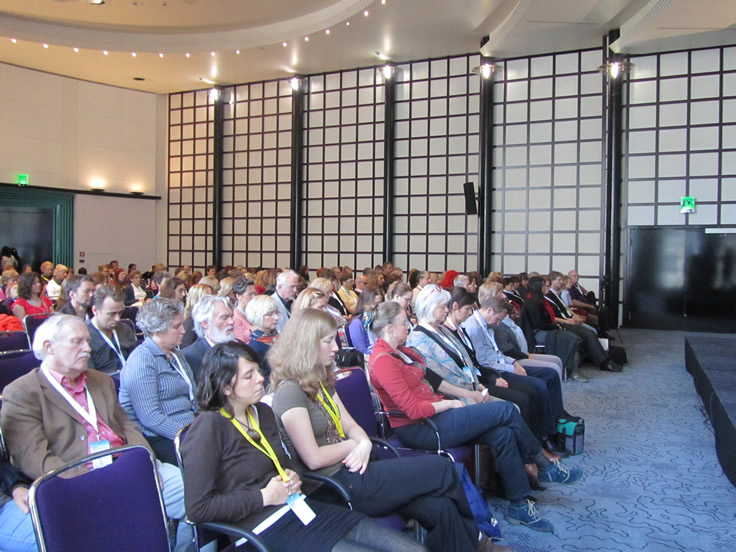
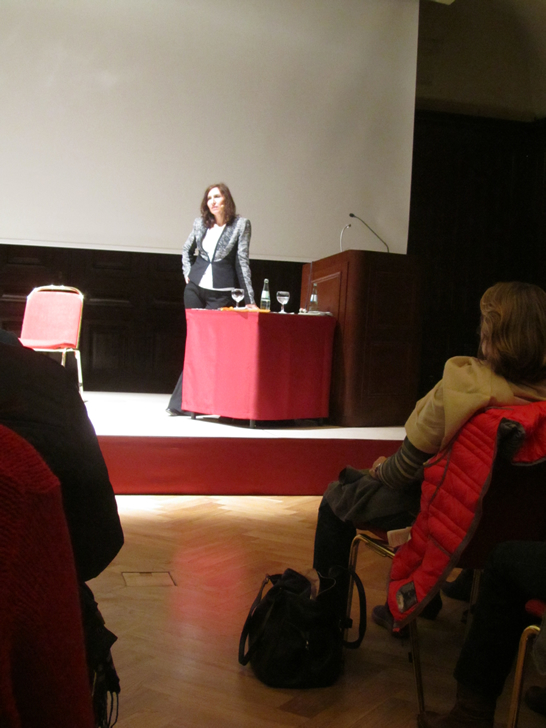
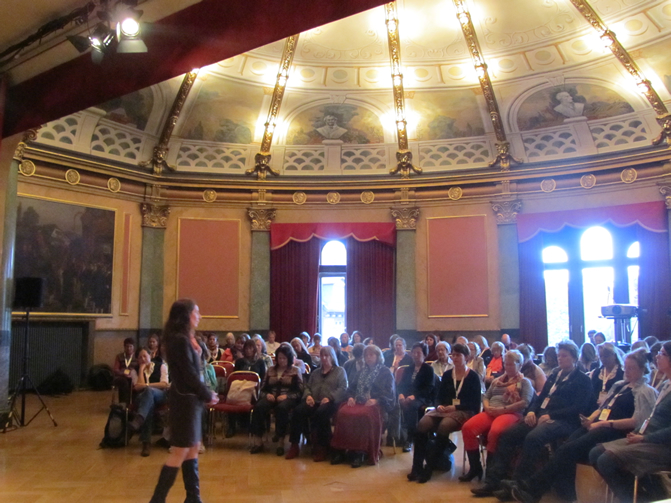
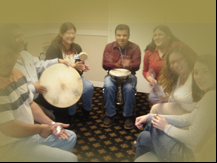
Mittagstrance mit live Musik
Kongress: 6. Kindertagung: "Hypnotherapeutische und systemische Konzepte für die Arbeit mit Kindern und Jugendlichen", Heidelberg
29. Oktober- 01. November 2009
44 Minuten - Audio CD
Gruppen-Induktion mit exotischer Musik - nach Ericksonscher Art und Weise. Trance mal so richtig tief erleben und sich dabei völlig entspannen zu können, ist das Motto dieser Trancereise. Erforschen Sie Ihre innere, sich immer wieder verändernde Wirklichkeit. Begeben Sie sich auf eine Reise in eine Trance, die älteste Tiefenschichten im Inneren zum Schwingen bringt; eine Trance, die Sie dabei begeistert und dazu anregt zur inneren Stille zu finden und dabei zauberhafte inspirierende Bilderwelten evoziert.
Anita Jung is the founder of the Jung Wellness Institute and an internationally sought-after lecturer, trainer, and consultant. With a background in Counseling Psychology and a life shaped by travel and cultural crossings, she carries a deep sensitivity to what it means to leave one’s homeland and begin again. Her work draws from many worlds—the quiet of the therapy room, the resonance of spoken word, the pulse of group dialogue. Whether guiding individuals, teaching professionals, or crafting audio journeys, Anita brings a rare blend of insight, presence, and poetic precision to every space she enters.
With roots in Germany and a life now unfolding in the United States, Anita moves between worlds with a deep sensitivity to cultural transitions. She is a strong advocate for innovative, transformative care that weaves together traditional and non-traditional mind-body approaches. Her community work bridges the worlds of healing and the arts, drawing on creative collaboration to inspire meaningful change and support lasting well-being. This same spirit infuses her one-on-one work with clients and extends into her creation of musical and hypnotherapeutic recordings, several of which have been published and widely shared.
Anita specializes in mind-body integration, trauma treatment, Ericksonian hypnotherapy, family therapy, and brief therapy approaches. Her early training bridged multiple therapeutic worlds—beginning with Bioenergetic Analysis under Alexander Lowen, then moving into postmodern modalities with Insoo Kim Berg and Michael White. These explorations eventually led her to the work of Milton H. Erickson, which continues to inform her deeply individualized approach. Over the years, she has studied with Stephen Gilligan, Jeffrey Zeig, and Bill O’Hanlon, along with numerous European mentors who have shaped her clinical voice. Anita’s work with trauma is known for its gentleness and precision, often incorporating creative, body-centered, and hypnotic strategies. She is internationally recognized for her pioneering use of music in hypnotic work—not as background or as music therapy, but as an active co-therapist, woven into the rhythm, pacing, and intention of the therapeutic process.
Anita served for two decades as Division Director of Counseling and Psychiatric Services at LifeWorks in Austin, Texas, where she helped shape programs that blended clinical depth with creative expression. From youth and family counseling to supervised visitation and family violence intervention, her work brought together therapeutic structure and imaginative approaches—including drumming and aerial dance as part of the healing process. Under her leadership, the Shared Psychiatric Services program was nationally recognized by the American Psychiatric Association for its family-centered work with high-risk youth."
“Therapy, like life, unfolds in its own rhythm. The stories I hear don’t weigh me down—they move me. Each one carries the possibility of joy, waiting to turn the corner. Along the way, I’ve worked with those navigating anxiety, phobias, and the quiet fears that shape how we move through the world. My path as a psychotherapist has brought me into contact with three interconnected realms: the inner world of psychological and philosophical inquiry, the expressive world of music, poetry, and the arts, and the purposeful world of vocation, work, and leadership. As founder of the Jung Wellness Institute, I meet each person where they are—listening for their unique rhythm, drawing from their worldview and strengths, and supporting the unfolding of their growth.”
I am a Graduate Student under Supervision working in collaboration with counselors at the Jung Wellness Institut. I am enrolled in a a Masters of Science Program with the focus in Systemic Psychotherapy. I am fluent in English and Germany languages and can provide services in both language.
My main interest and focus includes working with children and youth. I have gained tremendous insight and knowledge over the years working in professional and practicum settings. As a Graduate student I am also required to engage in personl work which has provided me insight into the life and work of a client.
I work from the belief that the human body and mind work together and constantly strive to find an inner peace and balance through self-healing. I see my role as a counselor to help you create insight and self-awareness, to facilitate the healing process, and to support you on your journey to finding your strengths and talents and guide you to joyful living. I utilize not only traditional talk therapy in my work with clients but also systems based therapy techniques and hypnosis.
Adult and adolescence individual therapy addresses the following challenges through interpersonal therapy and body-mind techniques:
To contact Jana directly please email.connect@jungwellnessinstitute.com
or call #512-879-1942.
Knowing is not enough; we must apply. Wishing is not enough; we must do.” Johann Wolfgang von Goethe
Trained in Counseling Psychology and Life Coaching, I hold a Masters Degree and three Life Coaching Certificates and would like your journey in coaching to be specific and memorable. As a facilitator for change, I will be using cognitive education techniques designed to help you acquire different perspectives on your challenges, hurdles, or problems. Since life coaching is an accountability-based alliance that cores on the fulfillment of positively framed outcomes, its nature is educational and motivational. It is not counseling nor psychotherapy.
When working together, we will be using tools that will provide you with new perspectives through the process of forming, reaching and surpassing goals in both your personal and professional life. It is my intention to propel you into the future with renewed confidence and zest. My goal is to empower you to take over your life by looking at tangible options and using available choices.
I am looking forward to motivate and assist you on your journey into the future.
“May your choices reflect your hopes, not your fears.” Nelson Mandela.
To contact Carmen directly please email connect@jungwellnessinstitute.com
or call #512-879-1942.
Hypnosetherapie ist die älteste Heilmethode der Menschheit, die sich mentaler Techniken bedient, um leib-seelische Prozesse zu beeinflussen. Schon die Höhlenzeichnungen des urzeitlichen Menschen weisen auf hypnotische Gruppenrituale hin. Im schamanistischen Heilwesen der Naturvölker findet Ähnliches statt. Schriftliche Aufzeichnungen über hypnotische Heilrituale sind bereits aus den ersten Hochkulturen (Mesopotamien, Ägypten) überliefert.
Im Heilwesen der Antike waren hypnotische Techniken in Form des „Tempelschlafes“ verbreitet. Mit seiner Hilfe wurden heilsame Zustände erzeugt und therapeutische Suggestionen vermittelt. Nach dem Niedergang dieser Kulturen überdauerten hypnotische Behandlungsformen in den Zeremonien der Mönchsärzte, in Klöstern und Wallfahrtstätten.
Mit dem Aufkommen der Naturwissenschaften kam es zu einer Neu- interpretation der Hypnose. Zuerst wurde sie als Auswirkung eines „animalischen Magnetismus“ (Mesmer) gesehen. Im 19. Jahrhundert setzten sich schließlich psychologische Konzepte durch: Die geistig - psychischen Funktionen des Menschen stellten sich als Basis und entscheidende Wirkfaktoren der Hypnose heraus. Hypnose leistete damit einen wesentlichen Beitrag zur Entwicklung der Psychologie als einer Wissenschaft. Gleichzeitig lieferte Sie wichtige Grundlagen und Bausteine für viele der heute gängigen Psychotherapiemethoden.
Als eine eigenständige Therapieform wurde die Hypnosetherapie im 19. und 20. Jahrhundert abwechselnd sehr populär und dann wieder zurück gedrängt. Um 1950 setzte verstärkt Hypnoseforschung nach modernen Standard ein und es kam zur Neufundierung der Hypnose als ein wissenschaftlich begründetes, hochwirksames Therapieverfahren. Diese moderne Hypnotherapie ist eng verbunden mit den Arbeiten des amerikanischen Psychologen und Facharztes für Psychiatrie, Milton H. Erickson. Die maßgeblich von ihm beeinflusste „Klinische Hypnose“ bzw. die Ericksonsche Hypnotherapie gilt international als der State of Art.
Hypnotherapie ist eine erwiesenermaßen effektive Methode (Grawe, Donati & Bernauer, 1994; Revenstorf & Prudlo, 1994). Die Fortbildungsseminare der Milton Erickson Gesellschaft für Klinische Hypnose (M.E.G.) werden von den Landesärzte- und Psychotherapeutenkammern anerkannt.
Family constellation (Familienaufstellung) was developed in Germany by Bert Hellinger who created a model that draws from traditions in family systems therapy, existential phenomenology, and the Zulu family traditions. When Hellinger studied the Zulu traditions he walked away with the essence of the following concepts that are deeply rooted in his work:
Bert Hellinger, who studied and treated families for more than 50 years, observed that many of us unconsciously take on destructive familial patterns of anxiety, depression, anger, guilt, aloneness, alcoholism and even illness as a way of "belonging" in our families. Bonded by a deep love, a child will often sacrifice his own best interests in a vain attempt to ease the suffering of a parent or other family member.
Hellinger coined the concept of “Orders of Love” in a systemic family sense, meaning that order in a family system must exist similar to the order experienced in nature. Order can be described as a natural pattern. One of the orders, for example, is that every member has a right to belong. If that order is respected harmony and love ensue. Negative consequences arise if the order is disrespected which may affect the family system for generations. Any trauma that is experienced in the family gets carried on to the next generations. Once a person accepts and understands and honors the order in the system, healing can take place.
During a constellation, the individual is invited by the facilitator to select representatives from the group to set up their family system/constellation. S/he then places these representatives in particular positions around the central working area. When complete, the individual converses with the facilitator and watches the process unfold. The aim for the representatives is to tune into the knowing field, much to what Einstein called the zero point field and Hellinger coined the knowing field. Facing and accepting everything the way it is, as it emerges, from the realm of observation and non-judgment, allows for insight into the true nature of reality and invites acceptance, and therefore, transformation.
Constellation work has to be experienced. One cannot learn or gain insights from reading it in books. Hellinger once said that “the spirit moves like wind.” He feels that whatever is written down loses its vitality, its basic connection to real life. Furthermore, it renders itself into fixed patterns and empty sentences and becomes oversimplified and generalized. He deeply feels that the world needs to be experienced as it is, as a lived, felt sense without any intention to change it. Developing a stance of acceptance and understanding is one of the core principles in his work.
While commonly practiced in group settings, Family Constellations can also be conducted one-on-one, providing a deeply personalized and focused approach to addressing specific issues within one's family system.
In individual sessions, the process typically involves:
Initial Assessment: The facilitator conducts an initial assessment session to understand the client's concerns, goals, and family dynamics.
Preparation: Before the session, the facilitator guides the client in exploring family history, identifying key family members or dynamics, and setting intentions.
Constellation Setup: Using objects or markers to represent family members and dynamics, the facilitator assists the client in setting up a visual representation of their family system.
Exploration and Dialogue: The facilitator guides the client through an exploration of family dynamics, uncovering underlying patterns, conflicts, and unresolved issues through dialogue and experiential techniques.
Resolution and Integration: Insights and resolutions emerge during the exploration process. The facilitator supports the client in integrating these insights, releasing energetic entanglements, and finding healing within the family system.
Integration and Follow-Up: After the session, the client may receive guidance on integrating insights into daily life. Follow-up sessions may be scheduled to support ongoing integration and personal growth.
Individual Family Constellations offer a personalized pathway to understanding, healing, and wholeness, addressing relationship issues, unresolved emotions, and facilitating personal growth. Explore further to learn how individual Family Constellations sessions can support your journey towards greater well-being.
Know that no matter what challenges you face within your life or family, healing is possible. With dedication, support, and the transformative power of Family Constellations, you can navigate through any difficulty and emerge stronger, wiser, and more whole. .
Postmoderne Ansätze in der Therapie gehen von einem anderen Verständnis aus. Es gibt nicht nur eine Wahrheit, die entdeckt werden muss, und keine einzige Geschichte, die alles erklärt. Erfahrung wird durch Sprache, Beziehung und die Bedeutungen geprägt, in denen wir leben.
Was als Problem erscheint, ist oft ein Muster – etwas, das sich über die Zeit geformt, wiederholt und verfestigt hat. Doch Muster können sich verändern. Schon eine kleine Verschiebung im Timing, in der Betonung oder in der Art, wie etwas gehört oder ausgesprochen wird, kann eine neue Erfahrung eröffnen.
In Ansätzen wie der Lösungsfokussierten Therapie und der Narrativen Therapie richtet sich der Blick auf das, was bereits da ist – auf Stärken, auf Ausnahmen, auf Möglichkeiten, die vielleicht bisher kaum bemerkt wurden. Es geht nicht darum, etwas aufzuzwingen, sondern darum, neue Zugänge entstehen zu lassen.
Im Zentrum steht dabei eine einfache Haltung: Der Mensch selbst ist Experte seines eigenen Lebens. Die Therapeutin gibt nicht die Antworten vor, sondern schafft einen Raum, in dem neue Sichtweisen und Erfahrungen entstehen können.
Sprache spielt dabei eine wesentliche Rolle. Wie etwas benannt wird, beeinflusst, wie es erlebt wird. Eine Frage, mit Sorgfalt gestellt, kann Bewegung dorthin bringen, wo zuvor Stillstand war. Eine neue Rahmung kann etwas, das festgefügt schien, weicher und veränderbarer werden lassen.
Die Therapeutin hört auf diese Verschiebungen – auf Ton, Rhythmus, auf das Gesagte und auf das, was darunter mitschwingt. In diesem Zuhören öffnet sich Raum. Und in diesem Raum können neue Arten des Erlebens entstehen.
In diesem Sinne geht es in Therapie weniger um das Lösen als um ein Entfalten. Der Mensch bleibt Autor seines eigenen Lebens und entdeckt, dass seine Geschichte auch anders erzählt – und gelebt – werden kann.
Page content coming soon...
Depression ist eine Erkrankung, die die Gefühlsseite des Seelenlebens betrifft und sich individuell in sehr unterschiedlicher Weise äußern kann. Bei einer Depression kommen immer mehrere Krankheitsmerkmale zusammen, man spricht i. d. R. von einem depressiven Syndrom. Falls Sie sich mit drei oder mehreren dieser Symptome identifizieren können, sollten Sie wissen, dass es auch für Sie Hilfe geben kann. Unser zentrales Nervensystem besteht aus mehreren Milliarden Nervenzellen, die in ihrer Gesamtheit, durch hochkomplizierte "Schaltpläne" untereinander vernetzt, alle unsere Körperfunktionen, unsere Bewegungen, unsere Wahrnehmung, unser Denken und Fühlen und noch einiges mehr steuern und verursachen.
Die einzelnen Nervenzellen stehen durch "elektronische Impulse" und durch bestimmte "Botenstoffe" untereinander in Verbindung. Eine Nervenzelle erzeugt einen elektrischen Impuls und schickt ihn über ihre Fortsätze wie durch ein Kabel an eine andere Nervenzelle.
Am Ende des Fortsatzes - oder besser gesagt der Nervenendigung - wird die elektrische Information - der Impuls - in eine chemische Information - zum Beispiel Serotonin und /oder Noradrenalin - umgewandelt. Diese Botenstoffe übertragen die Botschaft auf den Fortsatz einer anderen Nervenzelle wo sie - wieder in einen elektrischen Impuls umgewandelt - weitergeleitet wird. Bei der Depression findet man eine Störung der speziellen Botenstoffe Serotonin und Noradrenalin. Starke oder langandauernde psychische Belastungen, aber auch bestimmte körperliche Erkrankungen können die Balance dieser Botenstoffe durcheinanderbringen. Ein Mangel an Serotonin und Noradrenalin in dem Spalt zwischen den Nervenendigungen bewirkt Kommunikationsstörungen im Netzwerk des Nervensystems, die sich nach außen fortsetzen, und zeigt sich in den als Depression bekannten körperlichen und psychischen Veränderungen. Der beschriebene Mangel an Botenstoffen (Neurotransmittern) steht in enger Beziehung zu den äußeren Anzeichen einer Depression, wie der Einschränkung von Gestik und Mimik, der schlechteren Hautdurchblutung und den Appetitstörungen. Psychotherapie hilft Symptome zu erkennen und sie zu bewältigen. Hin und wieder helfen Medikamente die Heilung zu beschleunigen..
Anxiety, while often challenging, can also be viewed as a catalyst for growth and resilience. In the words of Rumi, "The wound is the place where the Light enters you."
Despite the complexities of anxiety, there is hope. With the right support, tools, and interventions, individuals can learn to navigate their anxiety, cultivate resilience, and reconnect with a sense of steadiness and clarity.
Everyone experiences anxious feelings, especially in stressful situations. When anxiety intensifies, it can include fear, apprehension, or dread in response to everyday events. It may also show up physically as heart palpitations, chest tightness, shortness of breath, dizziness, nausea, or shaking.
Anxiety is one of the most common mental health challenges. It affects individuals across all ages, with women experiencing it more frequently, and adolescents increasingly impacted as well.
Anxiety can arise from a combination of life experiences, biological factors, and environmental stress. It may be linked to trauma, chronic stress, health conditions, or inherited patterns within families.
At times, anxiety reflects deeper patterns—ways of responding that may once have been protective but no longer serve the present moment.
Treatment is tailored to the individual. Psychotherapy, education about the nervous system, and tools for emotional regulation can help restore balance.
Hypnosis can be a powerful adjunct, offering access to deeper patterns and supporting meaningful change. Practices such as movement, mindfulness, breathwork, and body-based approaches may further support overall well-being.
A brief exercise to help settle the nervous system and bring the body into a more regulated rhythm:
Even a few minutes can begin to shift your state.
You may deepen this experience by pairing breath with sound or imagery. On the homepage, calming music can be adjusted to your preference. You might also explore visual elements such as a horse moving through an open field or falling leaves—allowing rhythm and imagery to support a sense of calm.
These elements are not required. They are simply invitations—ways to enter a quieter, more settled state.
"Faith is the bird that feels the light when the dawn is still dark." — Rabindranath Tagore
Discover the Power of Hypnosis for Chronic Pain Relief
Living with chronic pain can be exhausting. It can shape daily choices, affect mood, interrupt sleep, and narrow the sense of what feels possible. When pain becomes a constant presence, many people begin looking for approaches that go beyond temporary relief.
Chronic pain is generally understood as pain that persists for more than six months. It is often complex and can affect the body, emotions, attention, and overall quality of life. Because of this, it often calls for a broader and more integrated approach to care.
Hypnosis offers a gentle and focused approach to pain regulation. Rather than relying solely on medication or invasive procedures, it works with the mind-body connection and supports the capacity to shift how pain is experienced.
For some individuals, hypnosis becomes a meaningful part of a larger treatment plan—one that supports comfort, regulation, and a renewed sense of agency.
Hypnosis involves guiding the mind into a more relaxed and receptive state. In that state, attention can be directed in ways that support relief, calm the nervous system, and influence how pain signals are processed and interpreted.
Through carefully structured language and focused awareness, hypnosis may help reduce tension, lessen distress, and open space for greater ease in the body.
Research has increasingly explored how hypnosis affects brain activity related to pain perception and regulation. By influencing key pathways involved in attention, sensation, and meaning, hypnosis may support a shift in the experience of chronic pain.
This makes it a valuable approach for those seeking a more holistic way to work with persistent discomfort.
Hypnosis does not ask you to deny what is real. It offers another way of relating to what the body is holding. Whether pain is linked to fibromyalgia, arthritis, back pain, or another chronic condition, hypnosis may help create more room for comfort, steadiness, and participation in life.
If you are looking for a thoughtful and supportive approach to chronic pain, hypnosis may offer a meaningful next step. It can help you develop new ways to regulate discomfort, access inner resources, and move toward greater well-being.
Relief may begin with a different kind of attention.
Dreaming in Silence: Navigating Sleep, Dreams, and Hypnosis
In the quiet spaces between wakefulness and dreams, lies the realm of sleep—a sanctuary for rejuvenation and renewal. Yet, many wanderers find themselves adrift in the depths of poor sleep quality and restless nights. Traditional solutions, though well-intentioned, sometimes fall short, leaving behind shadows of side effects and incomplete relief. Yet, amidst the twilight, whispers of hypnosis suggest a gentle path toward restoring the harmony of sleep. In this exploration, we traverse the challenges of sleep's elusiveness, wander through the landscapes of common sleep disturbances, and uncover the quiet promise of hypnosis as a guiding light toward better sleep.
In the silent spaces of the night, poor sleep quality casts its shadow, affecting our physical vigor, mental clarity, and emotional resilience. It robs us of vitality, leaving us weary and drained. Chronic sleep troubles weave a tangled web, impairing our memory and clouding our thoughts, urging us to confront the disruption that lurks within.
Within the labyrinth of sleep, various specters haunt our nights—insomnia's relentless pursuit, apnea's stifled breath, narcolepsy's sudden embrace, and restless legs' ceaseless unrest. These nocturnal phantoms, with their distinct forms and unsettling echoes, converge upon a shared ground of disrupting our sleep's delicate balance, leaving us restless and yearning for peace.
Amidst the whispers of nightfall, hypnosis emerges as a silent guide, offering a pathway toward relaxation and tranquility. Through its gentle touch, it soothes our restless minds and unveils the hidden depths of our psyche, offering respite to the weary traveler and leading us toward the sanctuary of sleep. Hope emerge as research studies illuminate the potential of hypnosis to improve sleep quality. Participants, adorned with newfound satisfaction and ease, embark on a journey toward improved sleep, guided by the gentle embrace of hypnosis' touch.
As we stand at the threshold of discovery, the quest for better sleep beckons us forward. Through further exploration and integration of ancient wisdom with modern science, we chart a course toward a brighter dawn—a world where hypnosis illuminates the path toward restful slumber and vibrant well-being.
In the stillness of the night, sleep disorders cast their shadow upon our restless minds. Yet, amidst the darkness, hypnosis emerges as a beacon of hope—a silent guide leading us toward the shores of tranquility. Through relaxation, stress reduction, and the exploration of our innermost selves, hypnosis offers a gentle pathway toward better sleep and renewed vitality. As we journey through the night, invite yourself to embrace the quiet promise of mindfulness and hypnosis, weaving dreams of peaceful slumber into the fabric of our lives.
Living with chronic conditions often entails managing persistent symptoms, including pain, discomfort, and distress. While traditional medical treatments play a crucial role in managing chronic conditions, complementary approaches like hypnosis offer additional avenues for relief and improved quality of life.
Hypnosis provides a promising approach to pain regulation within the context of chronic conditions. By inducing a deeply relaxed state, hypnosis enables individuals to access their subconscious mind, where they can effectively modulate their perception of pain and promote pain relief.
One of the primary mechanisms by which hypnosis regulates pain is through altering the individual's perception of pain sensations. Through guided imagery, visualization, and suggestion, individuals can learn to focus their attention away from the sensation of pain and towards feelings of relaxation, comfort, or even numbness, thereby diminishing the intensity of pain experienced.
Moreover, hypnosis can influence the brain's perception and processing of pain signals, leading to changes in neural activity and pain perception. Research has shown that hypnosis can modulate brain regions associated with pain processing, resulting in reduced pain perception and increased pain tolerance.
Additionally, hypnosis can promote the release of endogenous opioids and other neurotransmitters involved in pain modulation. These natural pain-relieving substances help alleviate pain and induce feelings of well-being and relaxation.
By integrating hypnosis into a comprehensive treatment plan for chronic conditions, individuals can experience enhanced pain management, reduced reliance on medication, and improved overall functioning. Working with a qualified hypnotherapist, individuals can learn valuable techniques and strategies to regulate pain, enhance their quality of life, and reclaim control over their well-being.
If you're living with a chronic condition and experiencing persistent symptoms like pain, consider exploring hypnosis as a complementary approach to pain management. Embrace the power of hypnosis to transform your relationship with pain and embark on a journey towards greater comfort, resilience, and vitality.
Empowering Change: Integrative Approaches to Habit Control
Welcome to our comprehensive guide on habit control, where we explore the powerful combination of hypnosis, mindfulness, cognitive-behavioral techniques (CBT), and goal-setting strategies to help you reclaim control over your habits and lead a more fulfilling life. At [Your Therapy Practice Name], we believe in empowering individuals to break free from destructive habits and cultivate positive behavioral patterns through a holistic approach that addresses the min, body, and spirit.
Understanding Habit Control:
Habits are deeply ingrained behaviors that we often perform automatically, sometimes without even realizing it. While some habits are beneficial, others can be detrimental to our well-being, leading to stress, anxiety, and a sense of loss of control. Habit control involves identifying these patterns, understanding their triggers, and implementing strategies to modify or replace them with healthier alternatives.
The Integrative Approach:
Hypnotherapy is a powerful tool that accesses the subconscious mind, where many habits originate. By guiding individuals into a state of deep relaxation, hypnosis can help uncover underlying beliefs and motivations driving the habit, while also suggesting positive changes. Through personalized hypnotherapy sessions, individuals can reprogram their subconscious mind to support their desired behavioral changes.
Mindfulness: Mindfulness practices involve cultivating present-moment awareness without judgment. By bringing attention to our thoughts, feelings, and sensations, mindfulness helps individuals become more conscious of their habits and the triggers that precede them. Through mindfulness meditation and techniques, individuals can develop greater self-awareness and emotional regulation, enabling them to respond to triggers with intention rather than reacting impulsively.
Cognitive-Behavioral Techniques (CBT): CBT is a widely used therapeutic approach that focuses on identifying and challenging negative thought patterns and behaviors. By recognizing the connections between thoughts, emotions, and actions, individuals can learn to interrupt automatic habits and replace them with healthier responses. Through structured exercises and homework assignments, CBT empowers individuals to develop new coping strategies and problem-solving skills.
Goal-Setting: Setting specific, measurable, achievable, relevant, and time-bound (SMART) goals is essential for habit control. By clarifying what they want to achieve and breaking it down into manageable steps, individuals can track their progress and stay motivated. Regularly reviewing and adjusting goals ensures continued growth and adaptation as individuals work towards lasting behavioral change.
We understand that overcoming habits can feel overwhelming at times. However, we believe that with the right support and guidance, positive change is not only possible but achievable. Our integrative approach to habit control combines evidence-based techniques with compassionate support, empowering individuals to break free from destructive habits and embrace healthier, more fulfilling lives.
When you're ready to take control of your habits and create lasting change, we're here to support you every step of the way. Contact us to learn more about our personalized habit control programs and start your journey towards a happier, healthier you. Remember, change is within reach, and together, we can make it happen.
Anita Jung is the founder of the Jung Wellness Institute and an internationally sought-after lecturer, trainer, and consultant. With a background in Counseling Psychology and a life shaped by travel and cultural crossings, she carries a deep sensitivity to what it means to leave one’s homeland and begin again. Her work draws from many worlds—the quiet of the therapy room, the resonance of spoken word, the pulse of group dialogue. Whether guiding individuals, teaching professionals, or crafting audio journeys, Anita brings a rare blend of insight, presence, and poetic precision to every space she enters.
With roots in Germany and a life now unfolding in the United States, Anita moves between worlds with a deep sensitivity to cultural transitions. She is a strong advocate for innovative, transformative care that weaves together traditional and non-traditional mind-body approaches. Her community work bridges the worlds of healing and the arts, drawing on creative collaboration to inspire meaningful change and support lasting well-being. This same spirit infuses her one-on-one work with clients and extends into her creation of musical and hypnotherapeutic recordings, several of which have been published and widely shared.
Anita specializes in mind-body integration, trauma treatment, Ericksonian hypnotherapy, family therapy, and brief therapy approaches. Her early training bridged multiple therapeutic worlds—beginning with Bioenergetic Analysis under Alexander Lowen, then moving into postmodern modalities with Insoo Kim Berg and Michael White. These explorations eventually led her to the work of Milton H. Erickson, which continues to inform her deeply individualized approach. Over the years, she has studied with Stephen Gilligan, Jeffrey Zeig, and Bill O’Hanlon, along with numerous European mentors who have shaped her clinical voice. Anita’s work with trauma is known for its gentleness and precision, often incorporating creative, body-centered, and hypnotic strategies. She is internationally recognized for her pioneering use of music in hypnotic work—not as background or as music therapy, but as an active co-therapist, woven into the rhythm, pacing, and intention of the therapeutic process.
Anita served for two decades as Division Director of Counseling and Psychiatric Services at LifeWorks in Austin, Texas, where she helped shape programs that blended clinical depth with creative expression. From youth and family counseling to supervised visitation and family violence intervention, her work brought together therapeutic structure and imaginative approaches—including drumming and aerial dance as part of the healing process. Under her leadership, the Shared Psychiatric Services program was nationally recognized by the American Psychiatric Association for its family-centered work with high-risk youth."
“Therapy, like life, unfolds in its own rhythm. The stories I hear don’t weigh me down—they move me. Each one carries the possibility of joy, waiting to turn the corner. Along the way, I’ve worked with those navigating anxiety, phobias, and the quiet fears that shape how we move through the world. My path as a psychotherapist has brought me into contact with three interconnected realms: the inner world of psychological and philosophical inquiry, the expressive world of music, poetry, and the arts, and the purposeful world of vocation, work, and leadership. As founder of the Jung Wellness Institute, I meet each person where they are—listening for their unique rhythm, drawing from their worldview and strengths, and supporting the unfolding of their growth.”
I am a Graduate Student under Supervision working in collaboration with counselors at the Jung Wellness Institut. I am enrolled in a a Masters of Science Program with the focus in Systemic Psychotherapy. I am fluent in English and Germany languages and can provide services in both language.
My main interest and focus includes working with children and youth. I have gained tremendous insight and knowledge over the years working in professional and practicum settings. As a Graduate student I am also required to engage in personl work which has provided me insight into the life and work of a client.
I work from the belief that the human body and mind work together and constantly strive to find an inner peace and balance through self-healing. I see my role as a counselor to help you create insight and self-awareness, to facilitate the healing process, and to support you on your journey to finding your strengths and talents and guide you to joyful living. I utilize not only traditional talk therapy in my work with clients but also systems based therapy techniques and hypnosis.
Adult and adolescence individual therapy addresses the following challenges through interpersonal therapy and body-mind techniques:
To contact Jana directly please email.connect@jungwellnessinstitute.com
or call #512-879-1942.
Stephen Gilligan, Ph.D.
Milton H. Erickson Foundation
American Society of Clinical Hypnosis...
Ronald Alexander
Welcome to www.jungwellnessinstitute.com and www.anitajung.com and www.jungwellnessinsitute.org .This website is owned and operated by Anita Jung. By visiting our website and accessing the information, resources, services, products, and tools we provide, you understand and agree to accept and adhere to the following terms and conditions as stated in this policy (hereafter referred to as ‘User Agreement’), along with the terms and conditions as stated in our Privacy Policy (please refer to the Privacy Policy section below for more information).
We reserve the right to change this User Agreement from time to time without notice. You acknowledge and agree that it is your responsibility to review this User Agreement periodically to familiarize yourself with any modifications. Your continued use of this site after such modifications will constitute acknowledgment and agreement of the modified terms and conditions.
By visiting our website and accessing the information, resources, services, products, and tools we provide for you, either directly or indirectly (hereafter referred to as ‘Resources’), you agree to use these Resources only for the purposes intended as permitted by (a) the terms of this User Agreement, and (b) applicable laws, regulations and generally accepted online practices or guidelines.
We have the right at our sole discretion to remove any content that, we feel in our judgment does not comply with this User Agreement, along with any content that we feel is otherwise offensive, harmful, objectionable, inaccurate, or violates any 3rd party copyrights or trademarks. We are not responsible for any delay or failure in removing such content. If you post content that we choose to remove, you hereby consent to such removal, and consent to waive any claim against us.
h. We do not assume any liability for any content posted by you or any other 3rd party users of our website. However, any content posted by you using any open communication tools on our website, provided that it doesn’t violate or infringe on any 3rd party copyrights or trademarks, becomes the property of www.jungwellnessinstitute.com, www.anitajung.com and www.jungwellnessinsitute.org and as such, gives us a perpetual, irrevocable, worldwide, royalty-free, exclusive license to reproduce, modify, adapt, translate, publish, publicly display and/or distribute as we see fit. This only refers and applies to content posted via open communication tools as described, and does not refer to information that is provided as part of the registration process, necessary in order to use our Resources. All information provided as part of our registration process is covered by our privacy policy.
i. You agree to indemnify and hold harmless www.jungwellnessinstitute.com, www.anitajung.com and www.jungwellnessinsitute.org and its parent company and affiliates, and their directors, officers, managers, employees, donors, agents, and licensors, from and against all losses, expenses, damages and costs, including reasonable attorneys’ fees, resulting from any violation of this User Agreement or the failure to fulfill any obligations relating to your account incurred by you or any other person using your account. We reserve the right to take over the exclusive defense of any claim for which we are entitled to indemnification under this User Agreement. In such event, you shall provide us with such cooperation as is reasonably requested by us.
Your privacy is very important to us, which is why we’ve created a separate Privacy Policy in order to explain in detail how we collect, manage, process, secure, and store your private information. Our privacy policy is included under the scope of this User Agreement. To read our privacy policy in its entirety, click here.
In conjunction with the Limitation of Warranties as explained above, you expressly understand and agree that any claim against us shall be limited to the amount you paid, if any, for use of products and/or services. Www.lightfindinghope.com will not be liable for any direct, indirect, incidental, consequential or exemplary loss or damages which may be incurred by you as a result of using our Resources, or as a result of any changes, data loss or corruption, cancellation, loss of access, or downtime to the full extent that applicable limitation of liability laws apply.
All content and materials available on www.jungwellnessinstitute.com, www.anitajung.com and www.jungwellnessinsitute.org including but not limited to text, graphics, website name, code, images and logos are the intellectual property of www.jungwellnessinstitute.com, www.anitajung.com and www.jungwellnessinsitute.org and are protected by applicable copyright and trademark law. Any inappropriate use, including but not limited to the reproduction, distribution, display or transmission of any content on this site is strictly prohibited, unless specifically authorized by www.jungwellnessinstitute.com, www.anitajung.com and www.jungwellnessinsitute.org.
You agree that we may, at our sole discretion, suspend or terminate your access to all or part of our website and Resources with or without notice and for any reason, including, without limitation, breach of this User Agreement. Any suspected illegal, fraudulent or abusive activity may be grounds for terminating your relationship and may be referred to appropriate law enforcement authorities. Upon suspension or termination, your right to use the Resources we provide will immediately cease, and we reserve the right to remove or delete any information that you may have on file with us, including any account or login information.
This website is controlled by www.jungwellnessinstitute.com, www.anitajung.com and www.jungwellnessinsitute.org from our offices located in the state of Austin, TX, USA. It can be accessed by most countries around the world. As each country has laws that may differ from those of Texas, by accessing our website, you agree that the statutes and laws of Texas, without regard to the conflict of laws and the United Nations Convention on the International Sales of Goods, will apply to all matters relating to the use of this website and the purchase of any products or services through this site.
Furthermore, any action to enforce this User Agreement shall be brought in the federal or state courts located in USA, New York You hereby agree to personal jurisdiction by such courts, and waive any jurisdictional, venue, or inconvenient forum objections to such courts.
UNLESS OTHERWISE EXPRESSED, www.jungwellnessinstitute.com, www.anitajung.com and www.jungwellnessinsitute.org EXPRESSLY DISCLAIMS ALL WARRANTIES AND CONDITIONS OF ANY KIND, WHETHER EXPRESS OR IMPLIED, INCLUDING, BUT NOT LIMITED TO THE IMPLIED WARRANTIES AND CONDITIONS OF MERCHANTABILITY, FITNESS FOR A PARTICULAR PURPOSE AND NON-INFRINGEMENT.
If you have any questions or comments about these our Terms of Service as outlined above, you can contact us at:
www.jungwellnessinstitute.com
www.anitajung.com
www.jungwellnessinsitute.org
3103 Bee Cave Road, Suite 120
AUSTIN, TX 78746
USA